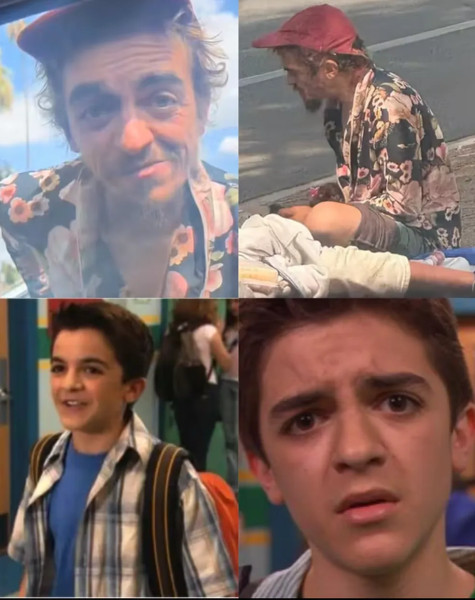
The entertainment world has long grappled with the complexities of child stardom, and the recent revelation of Tylor Chase's homelessness has brought these issues into sharp focus. Chase, best known for his role as Martin Qwerly in the beloved Nickelodeon series 'Ned's Declassified School Survival Guide,' has seen a dramatic fall from grace, leaving fans shocked and concerned. The public disclosure of his current situation has sparked a broader conversation about the challenges faced by former child stars and the need for robust support systems to help them navigate adulthood.
Tylor Chase's journey began in the mid-2000s, when he landed the role of Martin Qwerly in 'Ned's Declassified School Survival Guide,' a Nickelodeon series that quickly gained a devoted following. The show, which aired from 2004 to 2007, offered a comedic take on middle school life, with Chase's character standing out as the hyper-intelligent and somewhat awkward Martin Qwerly . His performance earned him a place in the hearts of many viewers, setting the stage for a promising career in the entertainment industry. However, life after 'Ned's Declassified' proved to be far more challenging than anticipated .
The transition from child star to adult actor is fraught with difficulties, and for Chase, these challenges seemed insurmountable. After his stint on Nickelodeon, Chase took on a few additional roles, including appearances in 'Good Time Max' and 'L.A. Noire.' However, his career did not gain the traction he might have hoped for, and he eventually found himself struggling with bipolar disorder, a condition that profoundly impacted his life and ability to maintain a stable career .
Tylor Chase's current circumstances were first brought to light by a series of viral videos on TikTok, which showed the former child star living on the streets of Riverside, California. The footage, which circulated widely on social media, depicted a disheveled and distressed Chase, sparking an outpouring of sympathy and concern from fans and former colleagues alike. The videos highlighted the stark contrast between his former life as a beloved television star and his current reality, raising questions about the support systems available to former child actors .
In the wake of these revelations, there has been a renewed focus on the support systems and resources available to former child stars. The entertainment industry has often been criticized for leaving young actors to fend for themselves as they navigate the complexities of adulthood. Chase's struggles serve as a poignant reminder of the need for more robust support mechanisms to help former child actors transition into stable and fulfilling lives. This includes access to mental health resources, financial planning, and career guidance to ensure that they are equipped to handle the challenges that come with leaving the spotlight .
The heartbreaking tale of Tylor Chase underscores the delicate balance between fame and personal well-being. While his journey from child star to homelessness is a stark warning of the potential pitfalls, it also serves as a call to action for the industry to do more to support its former child actors. As fans and industry professionals alike reflect on Chase's situation, there is a growing recognition of the need for a more compassionate and comprehensive approach to supporting those who have given so much to entertain us. The hope is that by addressing these issues head-on, we can create a better future for the next generation of young stars .