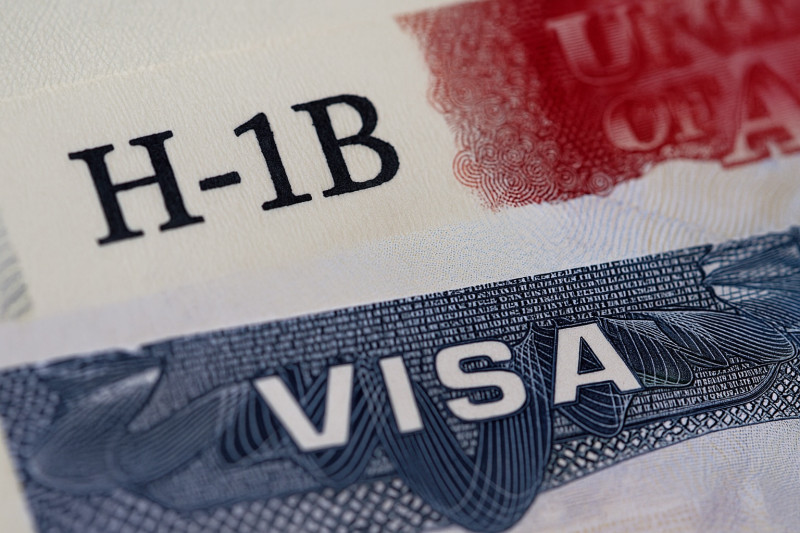
The H-1B visa, a cornerstone of the U.S. employment landscape, is experiencing significant changes in 2025. These **H-1B visas** are issued to foreign workers in specialty occupations, and recent reforms are reshaping how these visas are allocated and managed. The U.S. Citizenship and Immigration Services (USCIS) and the Department of Homeland Security have introduced new regulations to prioritize high-skilled and high-paid foreign workers, aiming to protect American jobs and wages .
One of the most notable changes is the replacement of the traditional lottery system with a weighted selection process. This new system, set to take effect for the Fiscal Year 2027 H-1B cap registration season, favors applicants with higher skills and wages. The goal is to ensure that the most qualified and highest-paid workers are given priority, which is expected to impact the distribution of visas significantly . This shift has sparked debate over whether it will benefit large tech companies while potentially squeezing out smaller startups and entry-level applicants .
The U.S. State Department has also expanded its screening and vetting processes for H-1B and H-4 visa applicants. Enhanced online presence reviews are now a standard part of the visa application process, aiming to curb perceived abuses of the program. This move is part of a broader effort to ensure that only qualified and legitimate applicants receive visas, thereby maintaining the integrity of the H-1B program .
Another significant development is the introduction of a $100,000 fee for new H-1B visas. This new fee, implemented as part of the broader immigration reforms, has faced legal challenges. Critics argue that it unfairly targets high-skilled foreign workers and could deter companies from hiring them. However, supporters view it as a necessary measure to protect American jobs and ensure that only the most qualified workers are granted visas .
The Trump administration's overhaul of the H-1B visa system is part of a broader effort to reform U.S. immigration policies. The changes are designed to address concerns about the potential misuse of the program and to ensure that it benefits both American workers and the economy. As these reforms take effect, the impact on the tech industry and other sectors that rely heavily on **H-1B visas** will become more apparent. Companies and applicants alike will need to adapt to the new selection criteria and fee structures to navigate the evolving landscape of U.S. immigration policies.
Ongoing legal battles and public debates surrounding these changes highlight the contentious nature of immigration reform. As the U.S. continues to grapple with these issues, the future of the H-1B visa program remains a critical topic for policymakers, businesses, and immigrants alike. The upcoming months will be pivotal in determining the long-term effects of these reforms on the U.S. workforce and economy. Stay tuned for further updates on how these changes unfold and their impact on the **H-1B news** landscape.