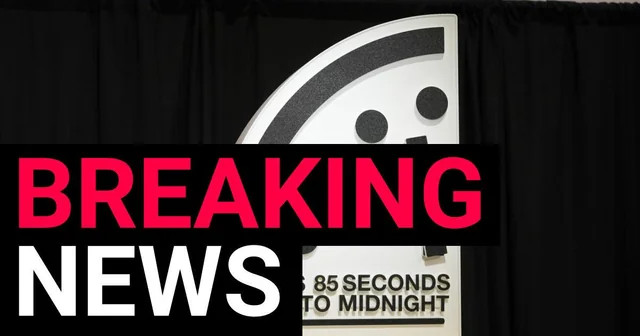
The Doomsday Clock is a visual metaphor used to convey the imminent threat of global catastrophe, symbolizing how close humanity is to self-annihilation. Managed by the Bulletin of the Atomic Scientists, the clock’s position has been a topic of intense discussion since it was founded by Albert Einstein and other scientists in 1945. On January 27, 2026, the clock was set to 85 seconds to midnight, marking the closest it has ever been to apocalypse. This symbolic clock represents the cumulative impact of multiple global threats, including nuclear warfare, climate change, and the rise of artificial intelligence (AI).
The decision to move the clock to 85 seconds to midnight was announced by the Bulletin of the Atomic Scientists, highlighting the urgency of addressing these existential threats. The Bulletin's Science and Security Board cited expiring nuclear treaties, climate change, and the increasing risks posed by AI and disinformation as major factors pushing the clock closer to midnight. This decision reflects a broader consensus among scientists and experts that humanity is facing unprecedented challenges. The clock’s movement from 100 seconds to midnight in 2020 to 85 seconds in 2026 indicates a worsening global situation, with each year bringing new and more dire threats.
The Doomsday Clock stands as a striking reminder of the need for global cooperation and decisive action. According to those behind the clock, humanity is now closer than ever to the end. The clock’s closest previous position was 90 seconds to midnight in 2023, which has now been surpassed. This shift underscores the escalating risks associated with nuclear disarmament, climate change, and emerging technologies. The Bulletin of the Atomic Scientists emphasized the need for effective leadership and coordinated efforts to mitigate these threats, urging governments and global organizations to prioritize these issues.
The Doomsday Clock has long been a critical tool for raising awareness about the risks of global catastrophe. This year, the Bulletin of the Atomic Scientists has moved the clock closer than ever to midnight, reflecting the severity of current global threats. The clock’s position serves as a call to action, urging policymakers, scientists, and the public to take immediate steps to address these urgent issues. By setting the clock at 85 seconds to midnight, the Bulletin aims to highlight the significance of these threats and the need for concerted global efforts to prevent a potential apocalypse.