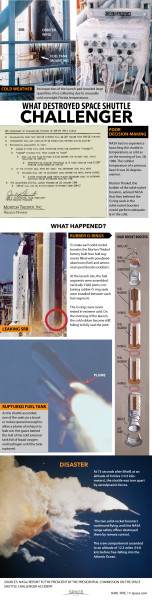
The Challenger explosion on January 28, 1986, remains one of the most catastrophic events in the history of space exploration. This disaster, which occurred 73 seconds into the flight of the Space Shuttle Challenger's STS-51L mission, claimed the lives of seven astronauts, including Christa McAuliffe, the first teacher selected to go to space. The explosion was a pivotal moment that reshaped NASA's approach to spaceflight and highlighted the inherent dangers of human spaceflight.
The Challenger disaster was a result of a malfunction in the shuttle's booster rockets, specifically a failure in the O-rings that sealed the joint between the rocket segments. The tragedy was not just a loss of life but a profound shock to the entire nation and a wake-up call for NASA. The agency had to confront not only the technical failures but also the systemic issues that contributed to the disaster, including communication breakdowns and pressure to meet launch schedules.
In the aftermath of the Challenger explosion, NASA's operations were thoroughly reviewed, and significant changes were implemented. The Rogers Commission, appointed to investigate the disaster, identified multiple factors that led to the tragedy, including the flawed O-rings and the decision to launch despite warnings from engineers. The commission's report led to extensive modifications in the shuttle's design and rigorous safety protocols, ensuring that such a catastrophic failure would not happen again.
The Challenger disaster also had a profound impact on the public's perception of space exploration. The live broadcast of the launch, which millions of schoolchildren watched, turned the event into a national tragedy. The loss of Christa McAuliffe, who was part of the Teacher in Space Project, brought home the human cost of space exploration to a wider audience. The event served as a sobering reminder of the risks involved in space travel and the importance of continued research and development to make spaceflight safer.
Forty years later, the memory of the Challenger disaster continues to influence space exploration and the ongoing efforts to make human spaceflight safer. The lessons learned from the Challenger explosion have been instrumental in the advancement of safety measures and the development of new technologies. The disaster remains a poignant reminder of the sacrifices made in the pursuit of knowledge and exploration.