The January 2026 meeting of the Federal Open Market Committee (FOMC) is poised to be a pivotal moment in shaping the economic landscape for the year ahead. As the Federal Reserve grapples with a myriad of challenges, including political pressure and economic indicators, the decisions made by the FOMC will have far-reaching implications for interest rates, inflation, and market sentiment.
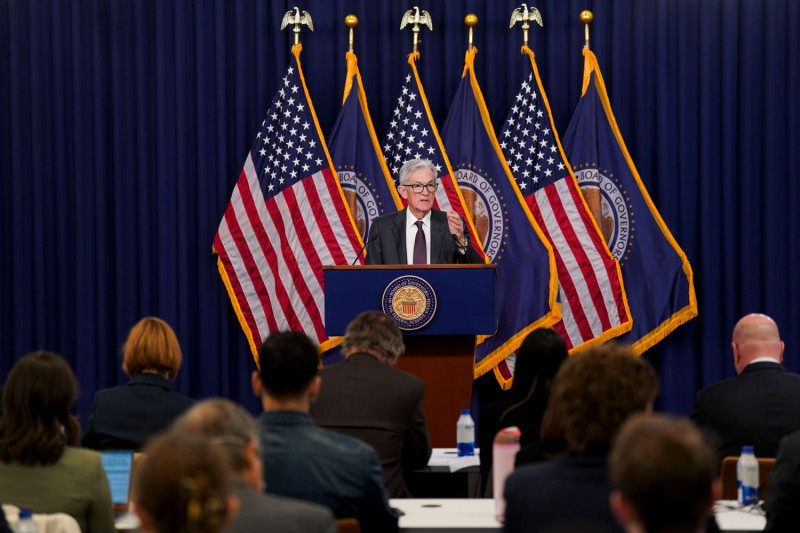
Scheduled to meet on January 28, 2026, the FOMC is widely expected to keep interest rates steady. This decision comes amidst a backdrop of political and legal turmoil, with Fed Chair Jerome Powell under significant scrutiny, particularly following a Department of Justice subpoena. The FOMC holds eight regularly scheduled meetings throughout the year, with the minutes of these meetings released three weeks after each policy decision.
Despite the anticipation surrounding the FOMC's decision, many market analysts believe that the meeting will be relatively uneventful. This sentiment is echoed by the fact that the Federal Reserve is expected to hold interest rates steady for its first policy meeting of 2026. The key indicators that will influence the FOMC's decision include inflation rates, labor market conditions, and overall economic data.
However, the real insights into the FOMC's future plans are likely to come from the post-meeting policy statement and Chair Jerome Powell's subsequent news conference. Markets are currently leaning towards the expectation that the Fed will cut rates in the future, reflecting the ongoing economic uncertainties. The FOMC's decision will not only impact the US stock market but also influence the prices of gold and silver, which are sensitive to changes in interest rates.