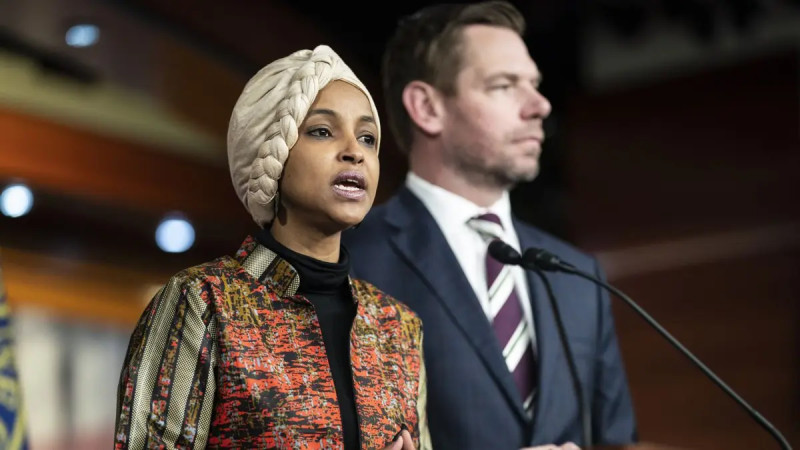
The U.S. government is on the brink of a partial shutdown, with the deadline reaching 12:01 a.m. ET on Saturday, should the Senate fail to advance a crucial spending measure. The impending crisis is primarily due to a standoff between Senate Democrats and Republicans .
The tension revolves around funding for the Department of Homeland Security (DHS). Senate Democrats have threatened to block the funding unless certain demands are met. The political standoff escalated after unrest in Minneapolis, intensifying the risk of a government shutdown .
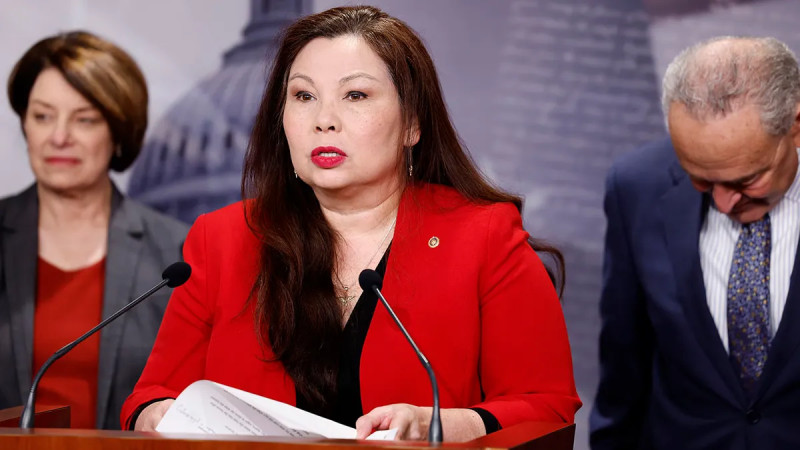
Among the Democrats, U.S. Senator Tammy Duckworth (D-IL) has been vocal about the need for bipartisan efforts. She hosted a telephone town hall for more than 8,500 Illinoisans to address concerns and discuss the importance of a bipartisan bill to keep the government operational .
Despite their usual alignment, Illinois Senators Tammy Duckworth and Dick Durbin found themselves on opposite sides of the debate. While Durbin was among the eight Democrats who supported a compromise bill, Duckworth voted against it, emphasizing the need to keep fighting to bring costs down and meet the needs of the American people .
Durbin's support for the extension deal was noted as a significant move, contrasting with Duckworth's stance. Durbin voted yes to the funding bill, which lacked a guaranteed extension of healthcare subsidies—a key demand of Congressional Democrats .
The deadlock reflects a broader demand from Senate Democrats for new Immigration and Customs Enforcement (ICE) restrictions. Following the fatal shooting of Alex Pretti in Minneapolis by federal agents, Democrats are pushing for policy changes before they agree to fund the government .
However, the political landscape saw a shift as enough Senate Democrats voted with Republicans to break the government shutdown impasse. The Senate passed a key test vote Sunday night on a plan that would mark a major step toward reopening the government .
The events underscore the complex and often contentious nature of political negotiations, particularly when critical funding and policy changes are at stake. As the Senate Democrats and Republicans continue to navigate these challenges, the fate of the government remains in a delicate balance .