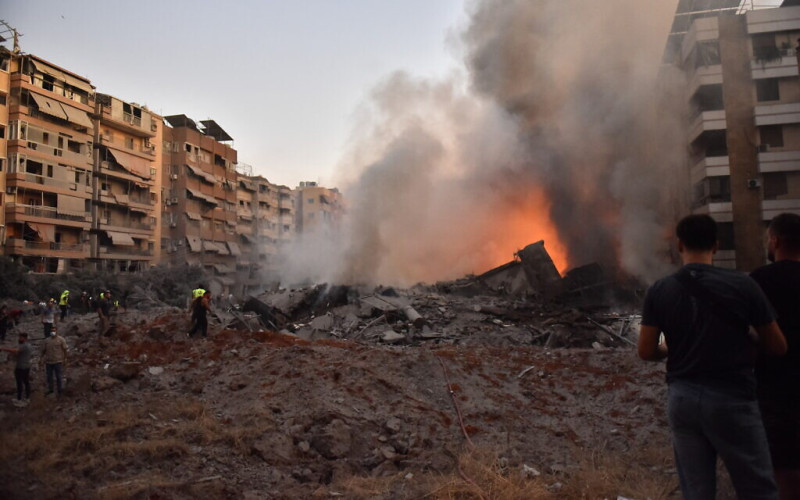
In the early hours of Monday, March 2, 2026, the conflict between Israel and Hezbollah intensified as the Israeli Defense Forces (IDF) launched a series of airstrikes targeting Beirut's southern suburbs, known as Dahiyeh. This escalation follows the militant group's retaliatory attacks, which included firing rockets and drones at northern Israel, a region already on high alert .
The recent events mark a significant escalation in the ongoing tensions, with the Israeli military responding to what it described as a major attack by Hezbollah. The IDF's airstrikes were reportedly aimed at senior Hezbollah operatives in the Beirut area, following the group's launch of missiles and drones at Israeli targets . The conflict has broader implications, as Hezbollah is backed by Iran, and the current attacks are seen as retaliation for recent developments involving Iran .
The escalation began when Hezbollah launched rockets and drones at northern Israel, prompting a swift and forceful response from the IDF. The Israeli military stated that it was striking Hezbollah targets across Lebanon, with a particular focus on the Dahiyeh district of Beirut, which is known to be a Hezbollah nerve center . The airstrikes were reported to be massive, with at least 15 explosions rocking the capital and thick plumes of smoke rising over the skyline .
The conflict has raised concerns about a wider regional war, as Hezbollah's actions are widely seen as a proxy for Iran, which has been engaged in its own series of conflicts with Israel. The timing of the escalation is notable, as it comes amid growing tensions between Israel and Iran, with the latter reportedly launching a new wave of missiles in response to Israeli strikes . The situation is further complicated by the recent killing of Iran's supreme leader, which has been cited as a catalyst for Hezbollah's retaliatory attacks .
As the conflict continues to evolve, there are growing calls for de-escalation and a return to the negotiating table. However, with both sides taking a hardline stance, the prospects for a quick resolution appear slim. The international community, including the United States and other regional powers, is closely monitoring the situation, with some calling for restraint and others condemning the violence. The latest developments highlight the complex and volatile nature of the region, where longstanding grievances and proxy wars continue to fuel instability .