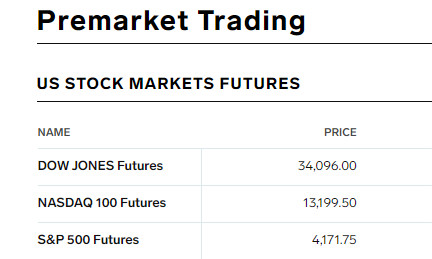
In an intriguing turn of events on March 2, 2026, the global financial markets are witnessing a significant surge in oil prices while stock futures across major indices, including the S&P 500 and Nasdaq futures, are experiencing a downturn. This dynamic shift is attributed to the escalating geopolitical tensions in the Middle East, particularly the recent strikes on Iran, which have disrupted crude oil supply routes, notably the critical Strait of Hormuz.
Crude oil prices have soared, with Brent crude futures jumping nearly 10% and WTI crude futures seeing a similar upward trend, according to the latest data from Investing.com and MarketWatch. Investors are wary of potential supply disruptions, which have historically led to significant price volatility in the oil markets. Natural gas prices have also rallied, reflecting a broader energy sector surge as investors seek to hedge against potential supply risks.
The impact on stock futures has been pronounced, with futures for the Dow Jones Industrial Average, S&P 500, and Nasdaq all falling by approximately 1%. The drop in stock futures is partly due to the broader market uncertainty caused by geopolitical events, which often lead to increased volatility and risk aversion among investors. However, there is a notable exception: futures for oil companies such as Exxon and Chevron have risen by about 2% each, as these companies stand to benefit from higher oil prices.
This dual dynamic—oil prices surging while stock futures fall—highlights the intricate interplay between commodities and equities. The surge in oil prices is driven by supply concerns and the possibility of extended disruptions in Middle Eastern oil production, which has historical precedence. For instance, the 1973 oil embargo and the 1990-1991 Gulf War resulted in significant oil price increases.
The current situation underlines the importance of geopolitical stability for global energy markets. The Strait of Hormuz, through which about 20% of the world's oil supply passes, remains a critical chokepoint for global oil trade. Any disruption in this region can have far-reaching implications for oil prices and, consequently, for the broader financial markets.
The situation is closely monitored by financial analysts and policymakers alike, with many experts predicting that oil prices could surge by as much as 80% if the conflict escalates further. This would have a significant impact on global economies, particularly those heavily reliant on oil imports, and could lead to inflationary pressures. For investors, the key is to navigate this volatility by diversifying their portfolios and staying informed about geopolitical developments.