In the wake of recent geopolitical tensions, the world's financial markets have shown a heightened sensitivity to escalating conflicts, particularly the ongoing Iran war and its potential ramifications on global stock markets. As the situation unfolds, investors and analysts are closely monitoring how these events could impact everything from oil prices and interest rates to broader economic indicators.
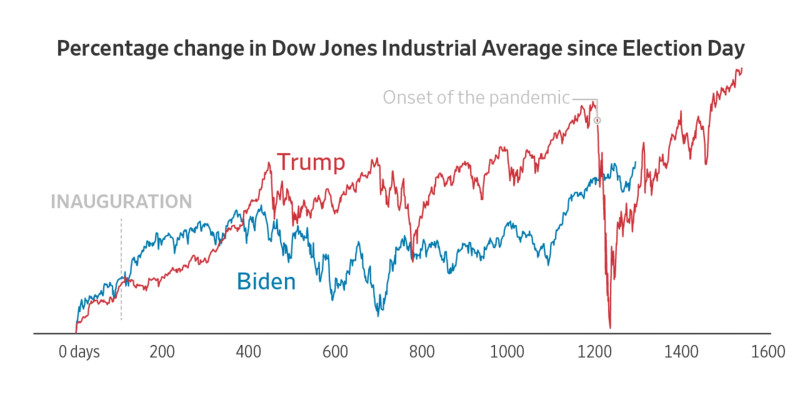
The Dow Jones Industrial Average (DJIA) has seen significant volatility over the past few weeks, with sharp drops and recoveries that reflect the market's nervousness. The latest Trump press conference today, March 10, 2026, shed some light on the administration's stance and potential next steps in the conflict, but the market's reaction remains uncertain. This conference comes at a critical juncture as investors are bracing for potential economic repercussions that could ripple through various sectors, including technology and defense.
One of the most immediate impacts of the Iran war has been on oil prices, which have spiked due to concerns about supply disruptions in the region. Iran supplies about 4% of the world's crude oil and controls the Strait of Hormuz, a crucial waterway for global oil trade. This has led to a significant increase in gas prices, with the national average jumping more than 23 cents in just 48 hours, according to GasBuddy. If the conflict continues to escalate, these prices could rise even further, affecting not just consumers but also the broader economy, including interest rates and inflation.
The Iran war has caused stock markets to react with considerable volatility. On Monday, global markets wavered as investors assessed the potential disruption to energy supplies after strikes by the United States and Israel against Iran. Simultaneously, oil and gold prices surged, reflecting the market's shift towards safer assets. This volatility is expected to continue as investors digest the situation and reassess their portfolios, potentially leading to further fluctuations in the DJIA and other major indices.
The U.S.'s attacks on Iran, seen as having larger market consequences than the Venezuela campaign, have investors on edge. The market's initial reaction was a significant drop, with the DJIA falling as much as 1,200 points before recovering some losses. This volatility underscores the market's sensitivity to geopolitical risks, particularly those involving significant oil-producing regions.
Investors are also assessing the potential for a prolonged disruption in the Strait of Hormuz, which could substantially impact global energy markets. Despite concerns, the physical oil market remains well-supplied, but higher oil prices could boost shares in certain sectors, particularly those related to energy and defense. Conversely, sectors like technology, which are more sensitive to global economic conditions, could see a downturn as investors become more risk-averse.
The Iran war has far-reaching implications beyond just the immediate impact on oil prices and stock markets. Supply chains, which are already under strain from various global disruptions, could face further pressure. This adds another layer of uncertainty for businesses and investors alike, making it crucial to stay informed and adaptable in these turbulent times.
As the situation continues to evolve, the Iran war and its impact on the stock market will remain a focal point for investors and analysts. The latest Trump press conference today provided some clarity, but the market's reaction will depend on how the conflict unfolds and how long it lasts. Investors will need to stay vigilant and be prepared for potential volatility in the coming weeks and months. The path forward is uncertain, but staying informed and adaptable will be key to navigating these challenging times.