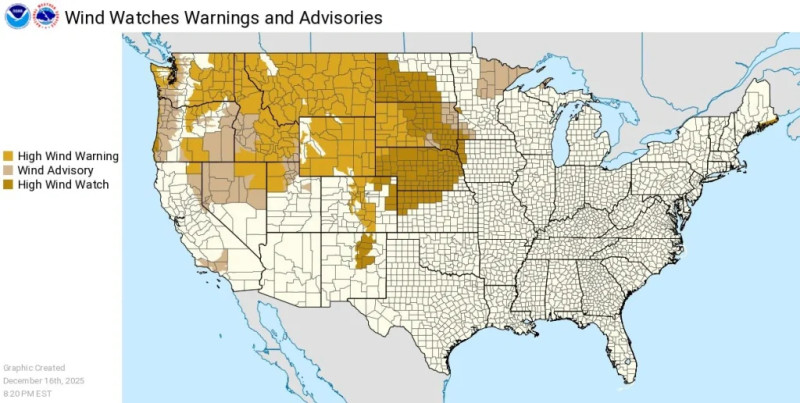
The National Weather Service (NWS) issues a variety of alerts to keep the public informed about impending weather hazards, including high wind watches and high wind warnings. These alerts are designed to help individuals and communities prepare for and respond to dangerous wind conditions that can pose significant threats to life and property. The high wind watch is a particularly important alert that often precedes a high wind warning, offering a critical window for preparedness.
Understanding the distinction between these alerts is crucial for ensuring safety during severe weather events. A high wind watch is typically issued 12 to 48 hours in advance of expected high wind conditions. This alert serves as an early warning system, indicating that weather conditions are favorable for the development of strong winds, but the exact timing and severity are still uncertain. The watch provides a heads-up to the public to start preparations and stay vigilant for updates from local meteorologists.
In contrast, a high wind warning is issued when dangerous wind conditions are imminent or already occurring. This warning indicates that sustained winds are reaching or exceeding 40-50 mph, with gusts that can be even stronger. At this point, individuals should take immediate action to protect themselves and their property. This might include seeking shelter, securing outdoor items, and avoiding activities that could be hazardous during high winds, such as driving.
The NWS utilizes specific criteria to determine when to issue these alerts. A high wind watch is intended to prepare communities for potential high winds, while a warning signals that the event is happening or will happen soon. These distinctions help ensure that the public receives timely and relevant information to safeguard against wind-related hazards.
Staying informed during high wind conditions is essential for safety. Monitoring local news, weather channels, or weather apps can provide real-time updates and changes in alert status. Understanding the differences between a wind advisory, high wind watch, and high wind warning can help individuals respond appropriately to the evolving weather situation.