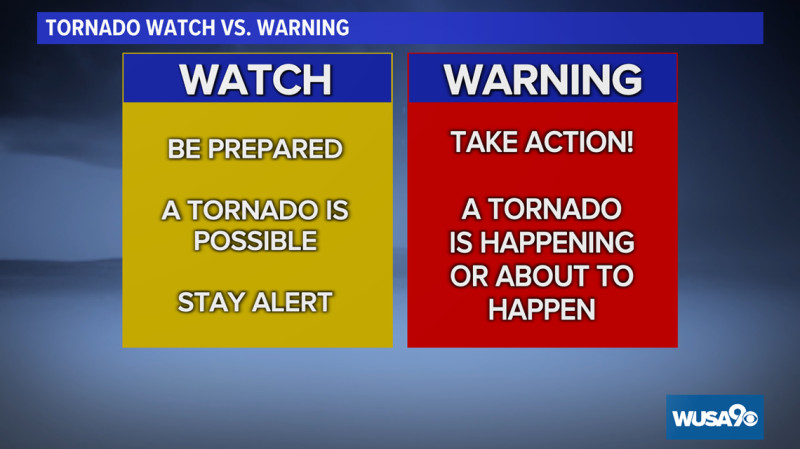
When severe weather threatens, the difference between a watch and a warning can spell the difference between safety and peril. A watch indicates heightened risk, urging vigilance and preparedness. Meanwhile, a warning signals imminent danger, demanding immediate action.
Deciphering the difference between watch and warning for tornadoes
In the realm of severe weather, the National Weather Service issues two primary alerts: a watch and a warning. A watch signifies that conditions are favorable for the development of severe weather, including tornadoes. It means you should be prepared, review your emergency plans, and check your supplies. For instance, a tornado watch indicates that tornadoes are possible in and near the watch area. This is the time to take inventory of your emergency supplies and ensure your safe room is ready.
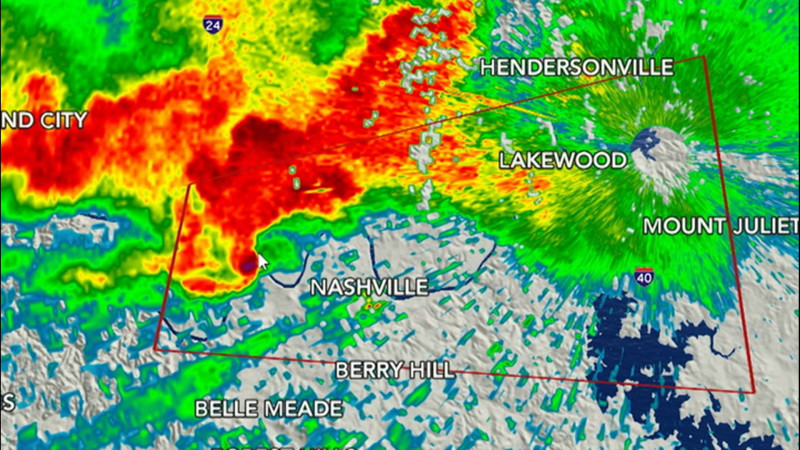
In contrast, a warning means severe weather or a tornado is occurring or about to occur in your area. This is the time to take immediate action. A tornado warning signifies that a tornado has been sighted or detected by radar, posing an imminent danger to life and property. When a warning is issued, you should seek shelter immediately in a sturdy building, away from windows and outside walls. The distinction is crucial: a watch is a heads-up, while a warning is a call to action.
Understanding the difference between tornado watch and warning, and what to do
When a watch is in effect, people in the affected area should stay informed about the weather and be ready to act if a warning is issued. This includes monitoring local news and weather updates, charging communication devices, and ensuring you have a plan in place to protect yourself and your loved ones. A warning, on the other hand, demands instant action. If you hear a tornado warning, do not wait. Seek shelter immediately, as a tornado could already be on the ground and moving toward your location.
As of 2026, the National Weather Service continues to enhance its alert systems, utilizing advanced radar and satellite technology to provide more precise and timely watch vs warning notifications. This includes the use of the Severe Weather Outreach Program to educate the public on the difference between these two critical alerts.
Warning vs watch: what to know before severe storms. "A watch is when they're watching to see if a tornado shows up. A warning is when you're being warned that there's a tornado." There is a common misconception that a watch is less serious than a warning. In reality, both are critical alerts, and the distinction is not about the severity of the threat but about the immediacy of the danger. A watch means you should be aware and prepare, and a warning means you should act now. When it comes to severe weather, seconds can save lives and every second counts.
With the ever-evolving capabilities of forecasting technology, it is essential to stay updated on the latest information and guidelines provided by the National Weather Service. For example, during the 2026 tornado season, the National Weather Service implemented new protocols to issue tornado warnings even more swiftly, leveraging cutting-edge AI and machine learning algorithms to analyze weather patterns in real-time. These advancements underscore the importance of understanding the difference between watch and warning.
Tornadoes can strike with ferocity and unpredictability, reminiscent of the 1936 tornado, which devastated Tupelo, Mississippi, claiming 216 lives. The city's lack of preparedness and the absence of a coordinated warning system resulted in catastrophic loss. Today, the term 'watch' and 'warning' are not just alerts but lifelines, bridging the gap between unpredictability and preparedness. By understanding what the difference between a tornado watch and warning can mean for your safety, you ensure that the lessons of the past are not merely historical footnotes but living lessons that guide us through the storms.