As dawn breaks on this tornado warning in Maryland, residents are scrambling to protect their homes and families. The weather outlook for Washington DC and Baltimore is ominous, with severe storms and powerful winds bearing down on the region. This isn't just another weather event; it's a stark reminder of nature's unpredictable fury.
The Eye of the Storm: Tornado Warnings in Maryland
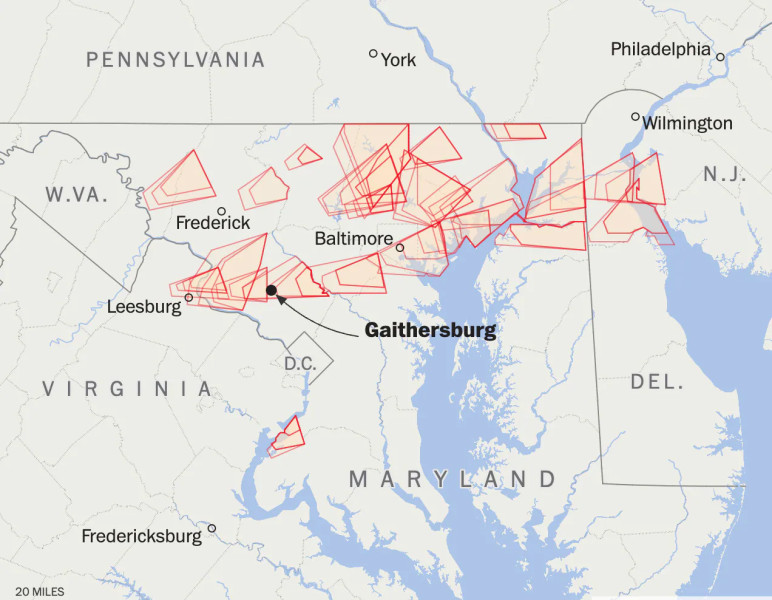
The National Weather Service has issued a tornado warning for parts of Baltimore County and northeastern Baltimore, including Towson, Parkville, and Carney. This isn't a drill. The storm system is moving fast, and the potential for severe damage is high. Winds are expected to gust past 50 mph, and blinding rain will make travel treacherous. Let's not kid ourselves—these conditions are dangerous, and residents need to take immediate action.
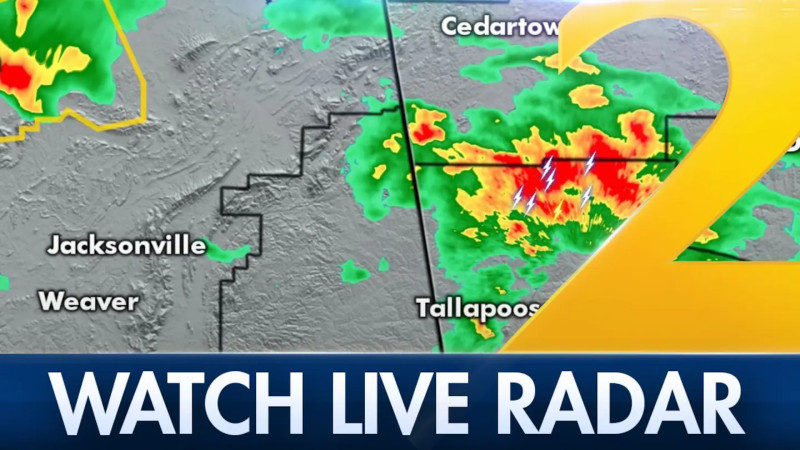
For those in the path of the storm, the weather radar is a crucial tool. The NWS radar combines data from multiple stations to provide a comprehensive view of the storm's movement and intensity. This real-time information is essential for making informed decisions about safety and preparedness. If you're in an affected area, stay tuned to local updates and heed the advice of emergency services.
But here's what nobody's asking: why are we always caught off guard by these storms? The data is damning—climate change is making severe weather events more frequent and intense. While we can't control the weather, we can control our response. Investing in early warning systems and infrastructure resilience is critical.
There's a counter-argument here. Some argue that over-reliance on technology can lead to complacency. While radar and alerts are invaluable, personal preparedness and community resilience are equally important. We need a balanced approach that combines technology with human vigilance.
Weather Woes: Impact on Washington D.C. and Surrounding Areas
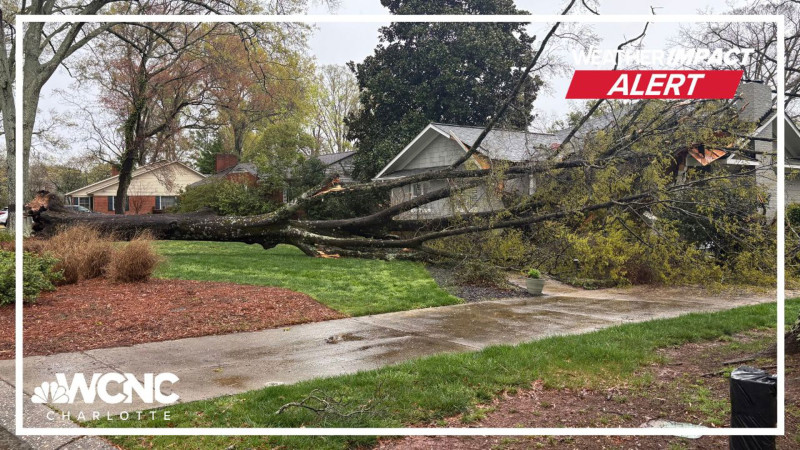
It's not just Maryland that's feeling the brunt of this storm. Washington DC and Virginia are also under severe weather alerts. The storm is expected to bring damaging wind gusts of 65 to 75 mph, with isolated tornadoes possible. This isn't just about a few fallen trees—the potential for widespread power outages and structural damage is real.
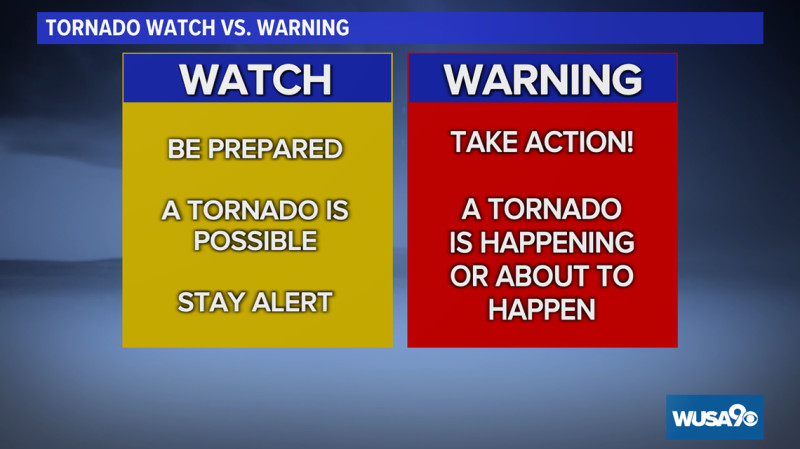
As the storm moves through the region, it's essential to stay informed. The National Weather Service provides up-to-date information on watches, warnings, and advisories, keeping residents and emergency services in the loop. Whether you're in Baltimore, Washington DC, or Virginia, staying informed can mean the difference between safety and disaster.
For those impacted by the storm, it's crucial to follow safety guidelines. Stay indoors if possible, avoid driving unless absolutely necessary, and have an emergency kit ready. The weather is unpredictable, but our response can make all the difference.
Weather Radar and Preparedness: Staying One Step Ahead
The storm is moving fast, and the potential for severe damage is high. Winds are expected to gust past 50 mph, and blinding rain will make travel treacherous.
Staying ahead of the storm requires vigilance and preparedness. The weather radar is a powerful tool, but it's only as good as the information it provides. By staying informed and taking proactive measures, residents can mitigate the impact of the storm.
Whether you're in Maryland, Washington DC, or Virginia, staying informed and prepared is crucial. The tornado warning in Maryland is a wake-up call, but it's also an opportunity to learn and adapt. Let's not wait for the next storm to take action. Invest in early warning systems, prepare emergency kits, and stay informed.