Imagine the sky as a vast, unpredictable canvas, where dark clouds are the brushes painting strokes of thunderstorms and tornadoes. As March 2026 unfurls, the dance between the atmosphere and the ground is fraught with tension. But the weather is not just a performance for the curious; it is a life-or-death drama for those in the path of these violent storms. The National Weather Service (NWS) issues alerts to keep us safe, but understanding the nuances of a tornado watch versus a tornado warning can be the difference between safety and disaster.
The Tornado Watch: A Call to Action
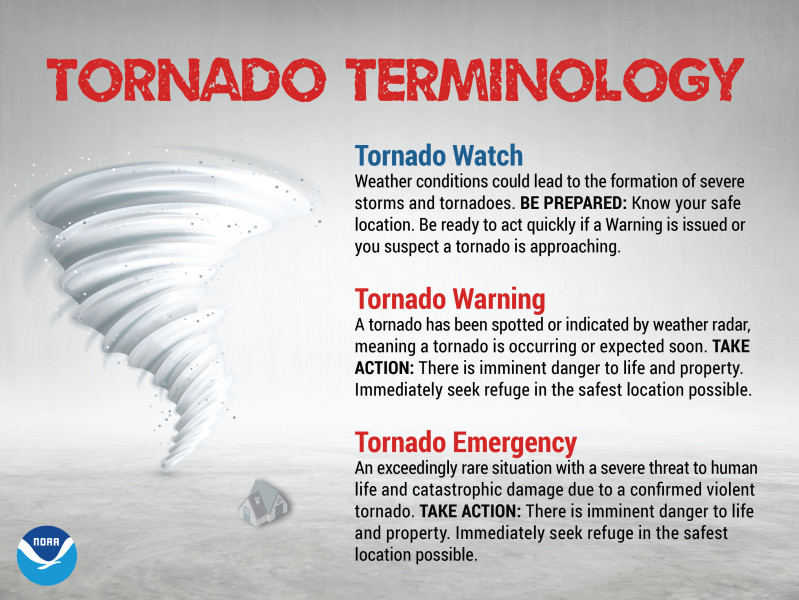
A tornado watch is the first whisper of the storm's potential, a sign that conditions are favorable for tornadoes to form. It's a time to be prepared, not panicked. The NWS issues a tornado watch when weather conditions in an area indicate an increased risk for severe weather that may be capable of producing a tornado. This is your cue to review and discuss emergency plans, take inventory of supplies, and check your safe room. It is the calm before the storm, a moment to gather your wits and your gear.
During a tornado watch, the sky may look innocent, but the conditions are primed for a potential outbreak. Think of it as an early alert, a heads-up that the atmosphere is ready to unleash its fury. This is not the time to be complacent, but to be proactive. Tornadoes are possible in and near the watch area, making it crucial to be ready to act quickly if a warning is issued or a tornado is approaching.
Tornado Warning: The Storm is Here
A tornado warning, on the other hand, is the loud, urgent bell signaling imminent danger. When a tornado warning is issued, it means a tornado has been sighted or indicated by weather radar. This is the moment to take immediate action, to find shelter and protect yourself and your loved ones. It is a stark contrast to the watch, signaling that the storm is no longer a threat looming on the horizon; it is here, and it is now.
During a tornado warning, every second counts. The NWS issues this alert when a tornado has been sighted or detected by radar, indicating that the danger is immediate and real. This is the moment to act on the plans you set in motion during the watch. The language of the warning is clear and urgent, designed to get you to safety as quickly as possible. The atmosphere's primed conditions have manifested into a storm, making safety your top priority.
The Dance of the Sky and the Ground
The weather is a dynamic force, a relentless dancer with a partner who must keep up. The dance between the sky and the ground is a delicate one, where a misstep can lead to disaster. Understanding the difference between a tornado watch and a tornado warning is like learning the steps to this dance. It’s about knowing when to prepare and when to act, when to watch and when to warn. The atmosphere is mercurial, unpredictable, and powerful, and it demands our respect and vigilance.
"The most important thing is to understand that a tornado watch means 'be ready,' but a tornado warning means 'take cover immediately' right now. That distinction can save lives,” says a meteorologist from the National Weather Service.
The sky is a canvas painted by the brushes of thunderstorms and tornadoes; the weather, a dance between the atmosphere and the ground. As we navigate the whirlwinds of 2026, let us remember the vigilance and respect needed to dance safely with the storms. Understanding the tornado watch and tornado warning is like learning the steps to this dance. It’s about knowing when to prepare and when to act. The weather is a force to be respected, a dance to be mastered, and a storm to be weathered.