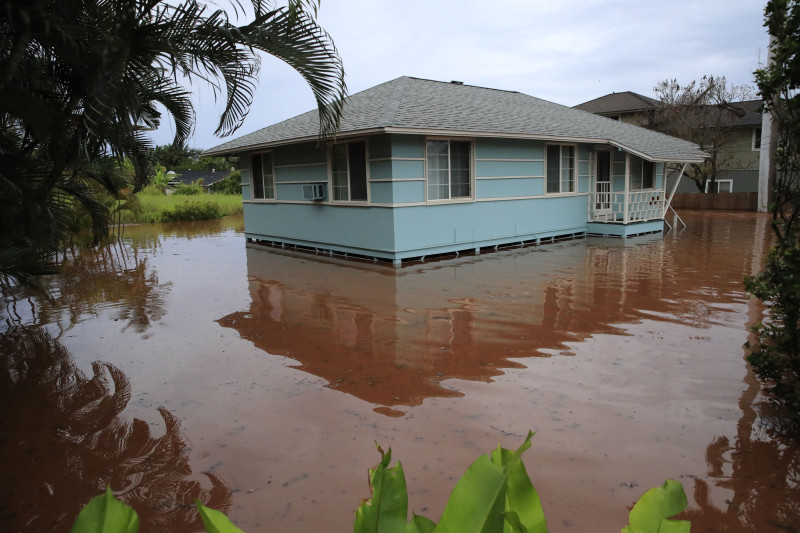
Flash floods and torrential rains have thrown Hawaii’s Oahu island into chaos as the Wahiawa Dam teeters on the brink of failure. The situation, compounded by a series of intense storms, has led to widespread flooding in Hawaii and prompted urgent evacuation orders for thousands of residents. With the dam’s imminent collapse looming, state officials have described the situation as catastrophic.
The Imminent Threat: Wahiawa Dam on the Brink
At the heart of Hawaii’s current crisis is the Wahiawa Dam, a 120-year-old structure that has been buckling under the relentless pressure of heavy rains. Officials have issued urgent evacuation orders for areas north of Honolulu, including Haleiwa and Waialua, as the dam threatens to overtop . The threat of a dam failure has not only disrupted daily life but has also triggered a series of evacuations that have seen over 5,500 residents forced to flee their homes. The National Weather Service has issued a flash flood warning for the Oahu island .
Oahu's North Shore: A Race Against Time and Water
The North Shore of Oahu, known for its scenic beauty and vibrant community, has been transformed into a battlefield against the elements. Residents have been urged to evacuate as the Wahiawa Dam failure poses life-threatening flooding risks. The situation is dire, with officials warning of "extremely dangerous flooding" and urging residents to "LEAVE NOW". The evacuation orders have led to a scramble for safety, with shelters and emergency services stretched thin as they work to keep residents out of harm's way.
The weather on the island has been particularly brutal, with major rains pummeling the area for the second significant time in less than a week. This relentless onslaught has left the island’s infrastructure reeling, with roads flooded and communities isolated. The situation has been exacerbated by the state of Hawaii’s older infrastructure, which is struggling to cope with the intensity of the storms.
Counter-argument: The Need for Infrastructure Upgrades
Some critics argue that the current crisis could have been mitigated with better infrastructure management. The 120-year-old Wahiawa Dam, while a testament to historical engineering, has long been identified as a potential risk. Proposals for upgrades and renovations have been met with bureaucratic hurdles and funding constraints. This situation highlights the need for proactive measures and investment in maintaining critical infrastructure to prevent such disasters.
In the midst of the chaos, Hawaii’s resilience is being tested. However, the state has shown remarkable preparedness, with hundreds of people rescued and evacuation orders swiftly implemented. This crisis underscores the importance of emergency preparedness and the need for continuous investment in flood mitigation strategies.
Honolulu officials have been at the forefront of managing the crisis, issuing evacuation orders and coordinating rescue operations. The National Weather Service has been instrumental in providing timely updates and warnings, helping to keep residents informed and safe. As the situation unfolds, the focus remains on ensuring the safety of all residents and mitigating the impact of the flooding.
The crisis in Oahu serves as a reminder of the power of nature and the importance of preparedness. Just as the residents of Oahu are battling the flooding in Hawaii, we must remember the lessons from the past, such as the Great Flood of 1920 in Honolulu, to better prepare for the future.