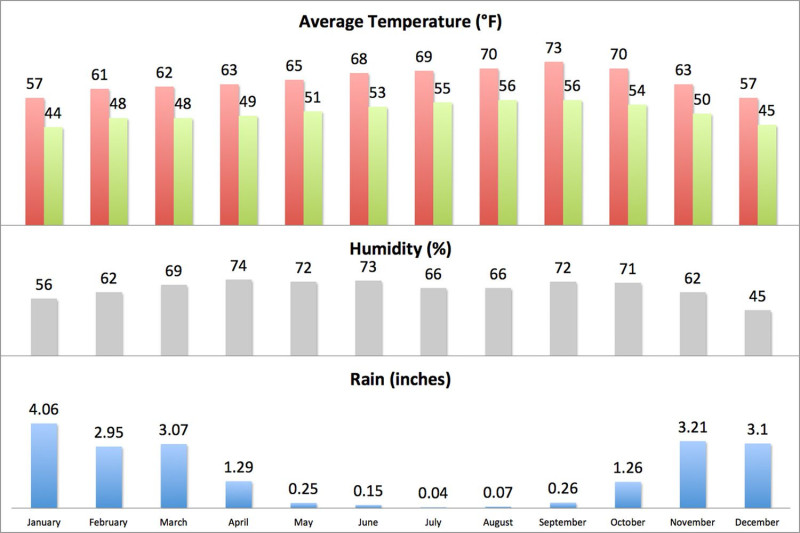
In the early hours of March 22, 2026, San Francisco, a city renowned for its mild climate, is bracing for an unprecedented heat wave. This sudden shift from San Francisco's typical weather to scorching temperatures is not an isolated event but part of a broader climate change pattern affecting the entire state. As the city prepares, the contrast with neighboring Los Angeles becomes stark, highlighting the regional impacts of this unusual weather.
Unprecedented Heat Wave Hits San Francisco
The Bay Area is under a heat advisory, a situation that has many residents and forecasters on edge. The forecast for San Francisco includes temperatures that could shatter records, making this March one of the warmest on record. This extreme heat is part of a larger pattern affecting not just San Francisco but also neighboring cities like Los Angeles and extending into the Southwest, including areas in Nevada, Arizona, and even New Mexico.
"We've never seen anything like this in March," says meteorologist Lisa Martinez. "The temperature spikes are unprecedented, and it's a clear sign that climate change is accelerating." Martinez’s words echo the sentiments of climate scientists who have been analyzing the data. For instance, the World Weather Attribution team conducted a flash analysis, although not yet peer-reviewed, indicating that climate change is a significant factor in this heat wave.
How Does San Francisco's Weather Compare to Los Angeles?
The contrast between San Francisco and Los Angeles is notable. While San Francisco typically enjoys cooler temperatures due to its coastal location and foggy mornings, Los Angeles is experiencing more extreme conditions. "It’s like night and day," says local resident Maria Rodriguez. "Here in San Francisco, we're sweating, but in LA, it's unbearable.
San Francisco's climate is known for its mild winters and cool summers, but this March is redefining what "cool" means. The city, usually a haven for those escaping the summer heat, is now feeling the pinch. In contrast, Los Angeles is known for its warmer temperatures year-round. This heat wave, however, is pushing even LA’s residents to their limits, with temperatures soaring to unprecedented levels.
Climate Change and Future Impacts
Climate change is altering the weather patterns in both cities, but in different ways. In San Francisco, the impacts include more frequent fire weather, unusually warm days, and power outages. "We're seeing changes that were once rare events becoming more frequent and severe," says Dr. Emily Hart, a climate scientist at Climate Central.
In Los Angeles, the forecast is even more concerning. Coastal areas and central Los Angeles are expected to experience three times more days with temperatures over 95°F, while the San Fernando and San Gabriel Valleys will see even more extreme heat. This trend is not just an anomaly for 2026 but a sign of what’s to come as climate change progresses. "We're looking at a future where these heat waves become the norm, not the exception," says meteorologist Martinez.
San Francisco's sudden shift to extreme heat serves as a stark reminder of the broader climate challenges facing the region. As residents prepare for the scorching days ahead, the question remains: How will this unprecedented weather impact the city's future? The parallels to previous climate shifts, such as the Dust Bowl of the 1930s, provide a sobering historical perspective. This heat wave is not just a weather event; it is a call to action, a moment that demands attention and preparedness for what lies ahead. As the heat intensifies, the city's resilience will be tested, and the adaptation strategies of the past may no longer suffice. The future of San Francisco's climate hangs in the balance, mirroring the uncertainty and challenge of a warming world.