President Donald Trump's executive order on mail-in voting today loosened federal controls over voter rolls and mail-in ballots. This move comes as a part of a broader strategy to challenge mail-in voting in the lead-up to the 2026 elections.
New Restrictions and National Voter List
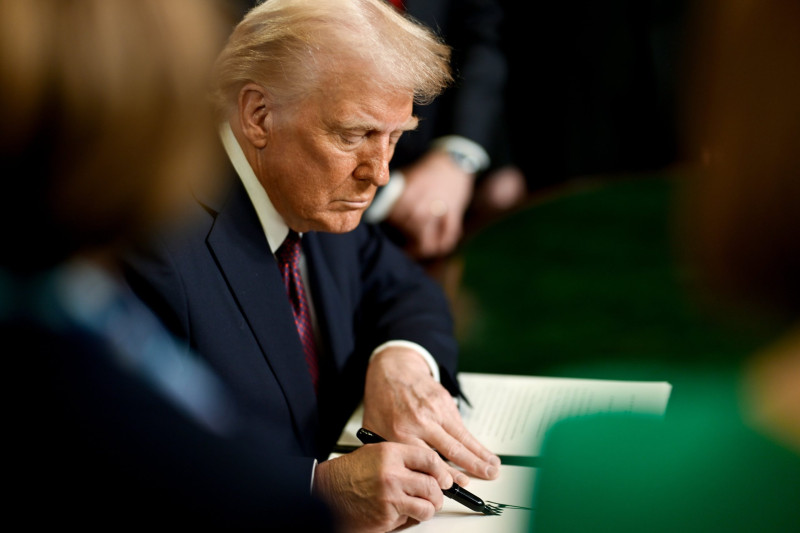
Trump signed an executive order that seeks to create a national list of eligible voters. This list aims to verify voter eligibility and limit the distribution of mail-in ballots to only those on the verified list. The order also directs the United States Postal Service to send mail ballots only to verified voters. This move is part of Trump's ongoing efforts to promote his false claims of widespread voting fraud.
Legal and Constitutional Challenges
Trump's executive order raises significant legal and constitutional questions. Critics argue that the order oversteps federal authority and could disenfranchise millions of Americans, particularly those who rely on mail-in voting due to disabilities, health issues, or military service. The order's constitutionality is being questioned, with legal experts suggesting that it may violate states' rights to manage their own elections. The swift legal challenges are expected to test the boundaries of federal control over state elections.
Political Implications and Future Steps
"This executive order is a blatant attempt to exert federal control over state elections," said Emily Thompson, a voting rights advocate. "It's a move that could disenfranchise millions of voters and undermine the integrity of our democratic process." The order's impact will likely be closely watched as the 2026 election cycle approaches. Legal battles are anticipated, and the outcome could shape the future of mail-in voting in the United States.
With the 2026 election just around the corner, the future of mail-in voting hangs in the balance. The next critical deadline is the upcoming court hearing on the constitutionality of Trump's executive order, scheduled for April 15, 2026.