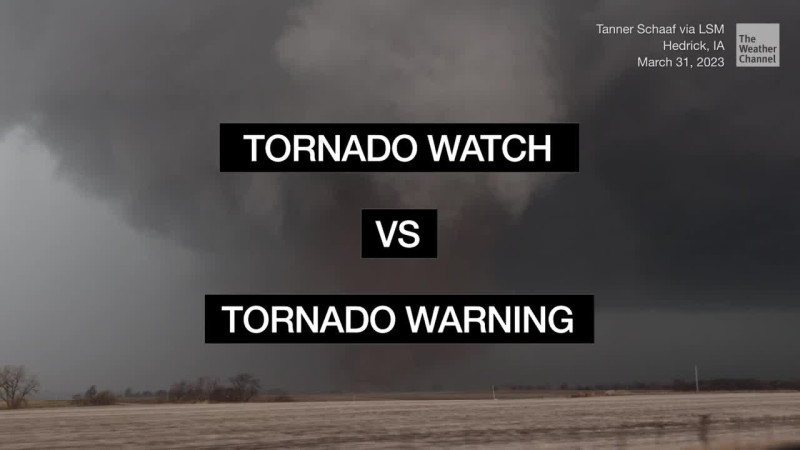
The fluorescent glare of the briefing room at the National Weather Service—Madison, Wisconsin office is intense. The hum of phones buzzing in pockets and the murmured discussions among meteorologists create a tense atmosphere. "We're issuing a tornado watch for the region." The announcement is met with a flurry of activity. Imagine being in a similar situation—does everyone understand the difference between a tornado watch and a tornado warning? The distinction is crucial, and understanding it can mean the difference between life and death.
What is a Tornado Watch and What It Means for You?
When the National Weather Service issues a tornado watch, it means that conditions are favorable for tornadoes to form. This is not an immediate threat but rather a heads-up that the environment is conducive to tornado development. The watch area can span several counties or even states, covering a broad region where tornadoes are possible. During a tornado watch, residents should be prepared to take action if a warning is issued. This is the time to review emergency plans, check supplies, and ensure your safe room is ready. It's also a good moment to download a weather app on your phone to receive emergency weather alerts and notifications specific to your location. People in a watch area should stay alert and be ready to act quickly if conditions worsen.
Recall the last time a tornado watch was issued in Madison, Wisconsin, the atmosphere was electric. Meteorologists watched the radar screens intently, and residents were on high alert. While there was no immediate danger, the possibility of tornadoes loomed, and everyone knew they had to be ready. - Being in a tornado watch area means being in a state of heightened awareness, not panic. It's about preparedness and readiness to act when the situation demands it.
The Urgent Call to Action: Understanding a Tornado Warning
A tornado warning is a dire alert indicating that a tornado has been spotted or indicated by radar. This is the signal to take immediate action. Unlike a tornado watch, a warning is issued for a much smaller, more specific area—often just a few towns or even a single neighborhood. When a tornado warning is issued, it means that a tornado is either on the ground or about to touch down, and there is an immediate threat to life and property.
When a tornado warning is issued, it's crucial to seek shelter immediately. If you are in a building, move to the lowest level, such as a basement or an interior room without windows. If you are outdoors, find the nearest sturdy building and seek shelter inside. —If you are in a vehicle, do not try to outdrive the tornado; instead, find the nearest sturdy building or lie flat in a ditch or ravine and protect your head with your hands.
The difference between a tornado watch and a tornado warning is the immediacy and specificity of the threat. A watch is a call to be prepared, while a warning is a call to take immediate action. —It's the difference between having a plan and executing it.
“Understanding the difference between a watch and a warning is not just about knowing the terminology; it’s about knowing when to act and how to act. —This knowledge can save lives.” — National Weather Service
Preparing for the Storm: How to Stay Safe During a Tornado Watch and Tornado Warning
The key to staying safe during a tornado watch or tornado warning is preparedness. During a tornado watch, take the time to review your emergency plans, check your supplies, and ensure your safe room is ready. If a tornado warning is issued, act quickly and seek shelter immediately.
Stay informed by tuning into local weather updates and having multiple ways to receive alerts, such as a weather radio or a reliable weather app. Additionally, it is crucial to have a designated safe spot in your home, such as a basement or an interior room without windows, and to know the safest routes to take if you need to evacuate.
The National Weather Service issues a variety of alerts, including watches and warnings, to keep the public informed about impending weather developments. Knowing the difference between these alerts and how to respond can make all the difference when severe weather strikes. —In the event of a tornado warning in Madison, Wisconsin, the community relies on the National Weather Service for accurate and timely information, ensuring that everyone stays safe during the storm. —It's not just about knowing the difference between a tornado watch and a tornado warning; it's about being prepared and knowing what to do when the situation demands it.
Don’t forget to educate your family and community about the importance of understanding the difference between a tornado watch and a tornado warning. This could be the knowledge gap that saves lives the next time a tornado threatens your area.