In a bold move to tackle New York City's budget deficit, Mayor Zohran Mamdani and Governor Kathy Hochul have announced the state's first pied-à-terre tax, a surcharge on luxury second homes valued at $5 million or more. The tax, which targets ultra-wealthy non-residents, aims to raise significant revenue while protecting essential public services. The pied-à-terre tax is more than just a fiscal policy; it's a political maneuver that could reshape New York's taxation landscape.
Political Maneuver: How Mamdani and Hochul Aim to Balance Budgets and Public Services
Governor Hochul has long resisted raising certain taxes, but the pied-à-terre tax presents a unique opportunity. It allows her to support Mayor Mamdani's efforts to close the city's budget gap without imposing a broader tax increase. By targeting luxury properties valued at $5 million or more, the tax focuses on a select group of ultra-wealthy individuals who primarily reside elsewhere. The political strategy is clear: levy a surcharge on those least likely to feel the pinch, while generating much-needed revenue.
The timing of this proposal is especially noteworthy. As Mamdani faces mounting pressure from his constituents, the tax offers a strategic concession that could appease supporters and address financial concerns. The political calculus here is straightforward: raise revenue from those least likely to resist, while avoiding a tax hike that could destabilize the state's finances.
This pied-à-terre tax is a political maneuver that could reshape New York's taxation landscape and public services.
The Fiscal Implications: Who Pays and How Much Will It Raise?
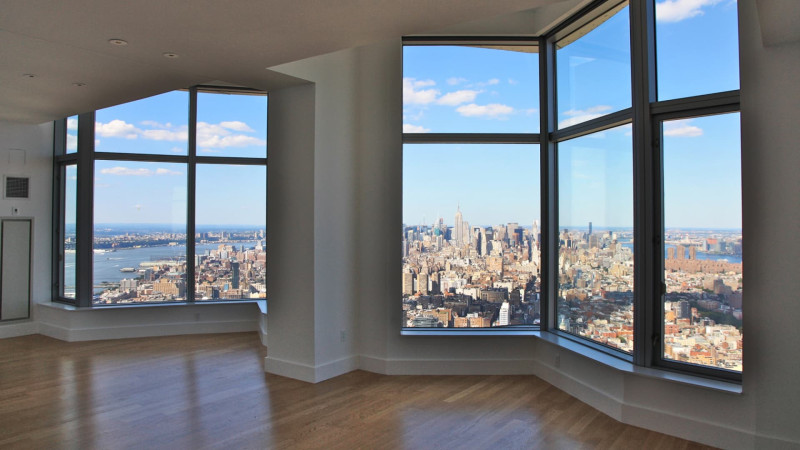
Who will bear the brunt of the pied à terre tax? Primarily, it will be the ultra-wealthy owners of luxury second homes in New York City. This tax is specifically designed to target properties valued at $5 million or more, which are typically owned by individuals who do not reside in the city year-round. The tax surcharge will apply to one to three family homes, condominiums, and cooperatives, ensuring that a broad range of luxury properties is covered.
But how much revenue will this tax generate? That’s the crucial question. The exact figures are still being calculated, but early estimates suggest that the tax could bring in tens of millions of dollars annually. This revenue will be vital for closing the city's budget gap and ensuring that essential public services remain funded.
The tax's impact on the city's budget is undeniable, but the broader implications are even more significant. By targeting the ultra-wealthy, the tax sends a clear message about who should bear the burden of public service funding during challenging times. It’s a strategic move that could set a precedent for future taxation policies.
Public Reaction: Gaining Public Support for Progressive Taxation
One of the most striking aspects of the pied-à-terre tax proposal is the overwhelming public support it has garnered. According to recent polls, 93% of New Yorkers back the tax, seeing it as a fair way to generate revenue from those who can afford it. This level of support underscores a broader public sentiment: that the wealthy should contribute more to the city's financial stability, especially during times of fiscal strain.
The public’s backing is not just about numbers; it's about a broader shift in how people view taxation and public services. It reflects a growing belief that progressive taxation can be a powerful tool for ensuring that those who benefit most from a city's amenities and infrastructure also contribute proportionately to its upkeep. The tax’s popularity highlights a deeper public demand for a more equitable distribution of financial burdens.
However, public sentiment is not the only factor at play. The pied-à-terre tax also represents a significant political victory for Mayor Mamdani, who has long advocated for progressive taxation as a cornerstone of his affordability plan for New York City. The tax aligns with his vision of a more equitable city where the wealthy contribute their fair share to the public good.
"The pied-à-terre tax is more than just a fiscal policy; it's a political maneuver that could reshape New York's taxation landscape and public services.
The pied-à-terre tax is not just a fiscal policy; it is a political maneuver that could reshape New York's taxation landscape. How will New York's ultra-wealthy respond? Will this tax set a new precedent for progressive taxation in the city and beyond? Only time will tell, but one thing is certain: this tax represents a significant shift in how New York approaches public financing, and its impact will be felt for years to come. Who will be the first to voice opposition, and how will Mamdani and Hochul respond?