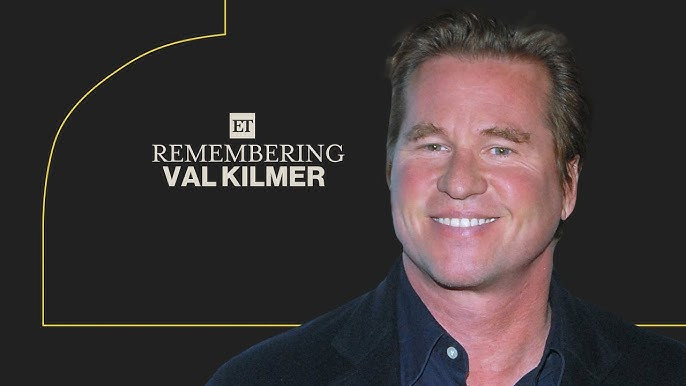
In the neon-lit halls of CinemaCon 2026 in Las Vegas, a familiar face, yet one not seen for a year, smiles from a screen. Val Kilmer, known for his iconic roles in films like Top Gun and Batman Forever, makes a triumphant return in the trailer for As Deep as the Grave, a historical drama. Kilmer, who passed away in 2025, is back on screen, his likeness digitally recreated with the help of advanced AI technology.
The AI Revolution: Bringing Kilmer Back to Life
As Deep as the Grave, directed by Coerte Voorhees, showcases Kilmer's AI-generated likeness as Father Fintan, a Catholic priest and Native American spiritualist. The film, unveiled at CinemaCon, marks a bold use of technology in filmmaking, pushing the boundaries of what's possible in cinematic storytelling.
Five years before his death, Kilmer was cast in the role, but his declining health prevented him from completing the shoot. With the blessing of Kilmer's estate, filmmakers turned to AI to bring the actor back to the screen. The technology used to recreate Kilmer's likeness is a testament to the advancements in generative AI, offering audiences a chance to see one of Hollywood's most beloved actors in a new light.
AI technology has been quietly evolving in the background, and it’s not just about recreating actors. Film studios are increasingly using AI for everything from scriptwriting to special effects, making movies faster, cheaper, and more cinematically spectacular. This transformation is just beginning, and it’s already making waves in the industry.
Val Kilmer's Legacy: The Man Behind the Icon
Kilmer's career spanned over four decades, with iconic roles that left an indelible mark on cinema. From his groundbreaking performances in Tom Cruise starrer Top Gun to his portrayal of Batman, Kilmer's versatility as an actor was unparalleled.
Kilmer's return to the big screen in As Deep as the Grave is more than just a technological feat; it's a poignant reminder of the actor's enduring legacy. His fans, who have been mourning his loss, find solace in seeing his face on the screen once more.
“Val Kilmer’s return to the screen is a testament to his enduring legacy and the innovative spirit of filmmaking,” said a spokesperson for Kilmer's estate. “We’re thrilled to see his likeness brought to life once again, allowing audiences to experience his talent and charm in a new way.”
The Future of AI in Cinema: Opportunities and Ethical Considerations
As the film industry continues to embrace AI, it raises questions about the ethical implications of such technology. While the ability to recreate actors offers exciting possibilities, it also poses challenges in terms of authenticity and consent.
For example, what happens when an actor's likeness is used without their consent, or when their image is manipulated in ways they wouldn’t have approved of? These are complex issues that the industry will need to navigate as AI technology becomes more prevalent.
Filmmakers and studios will need to balance the creative potential of AI with the ethical considerations that come with it. As AI continues to evolve, so too will the ways in which it is used in filmmaking, offering new opportunities for storytelling and innovation.
In addition to AI, deepfakes are also a rising concern. The ethical debate around deepfakes in entertainment is particularly heated. While some see it as a tool for creativity, others worry about the potential for misuse and the erosion of trust.
As the technology behind deepfakes continues to advance, it will be crucial for the industry to establish clear guidelines and regulations to ensure that it is used responsibly.
As AI and deepfakes continue to reshape the entertainment industry, it’s clear that these technologies offer both opportunities and challenges. But one thing is certain: the way we make and watch movies will never be the same.
The future of cinema is here, and it’s brimming with both potential and peril. "Val Kilmer's return to the screen is just the beginning. As AI continues to evolve, it will undoubtedly transform the way we tell stories and experience them. But we must also ensure that this transformation is ethical and respectful of the artists who bring these stories to life."