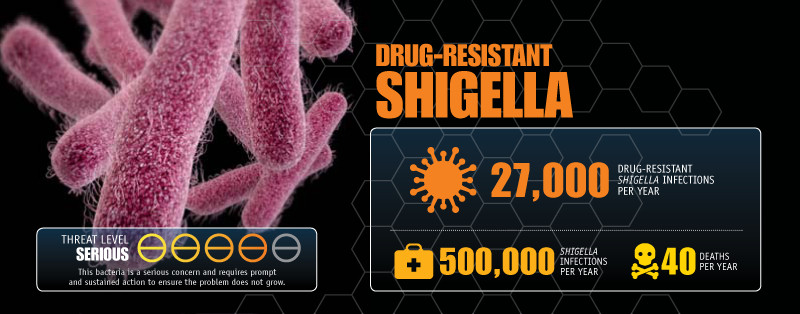
The Centers for Disease Control and Prevention (CDC) warns of a concerning trend: drug resistant shigella infections are on the rise in the United States. The bacteria, known as Shigella, causes shigellosis, a highly contagious infection that often leads to severe diarrhea. Since 2016, the number of antimicrobial-resistant Shigella infections has been increasing, posing a significant public health threat.
The Spread and Severity of Drug-Resistant Shigella Infections
Shigella infections are primarily spread through fecal-oral transmission, making them particularly difficult to control. The bacteria can spread rapidly between people, including through sexual activity. This ease of transmission, combined with the rise in drug-resistant strains, has led to a concerning increase in cases. The CDC reports that the proportion of extensively drug-resistant (XDR) Shigella isolates has been increasing since 2011, with a notable 8.5% increase in 2023 alone.
High-Risk Groups and Prevention Strategies
Certain groups are at higher risk for drug-resistant Shigella infections, including individuals experiencing homelessness, international travelers, and immunocompromised people. Prevention strategies are crucial, focusing on hand hygiene, safe food and water practices, and proper sanitation. The CDC emphasizes that these measures are essential to curb the spread of the infection.
Future Implications and Next Steps
As the number of drug-resistant Shigella cases continues to rise, the need for effective prevention and treatment strategies becomes more urgent. The CDC's ongoing research and public health alerts are vital in keeping the public informed and healthcare providers prepared. The next significant milestone will be the release of updated guidelines and treatment protocols, expected in the coming months. Stay tuned for further developments as the battle against drug-resistant Shigella continues.
The CDC's recent analysis of 16,788 Shigella isolates collected through PulseNet between 2011 and October 2023 highlights the alarming increase in XDR Shigella cases, emphasizing the urgent need for enhanced surveillance and prevention efforts.