The Fed Cuts Interest Rates for the Third Time in 2025: What It Means for the Economy and Your Finances

In a move that had been widely anticipated, the Federal Reserve (Fed) announced a quarter-point cut to interest rates on Wednesday, marking the third such reduction this year. This decision, which lowers the federal funds rate to a range of 3.50% to 3.75%, signals the Fed's ongoing efforts to stimulate economic growth amidst a backdrop of economic uncertainty.
The Fed's decision comes at a critical juncture, with concerns over a weakening labor market and persistent inflation weighing heavily on policymakers' minds. The central bank faces a delicate balancing act: boosting economic activity without fueling further inflation. The latest rate cut aims to support the labor market, which has shown signs of slowing, while also addressing inflationary pressures that remain stubbornly high.
The impact of this rate cut will be felt across various sectors, from consumer borrowing to savings accounts. For those with credit cards, car loans, or mortgages, the Fed's move is likely to translate into lower borrowing costs, making loans more accessible and potentially boosting consumer spending. However, savers may find that their returns on savings accounts and certificates of deposit (CDs) diminish, as interest rates on these instruments tend to follow the Fed's benchmark rate.
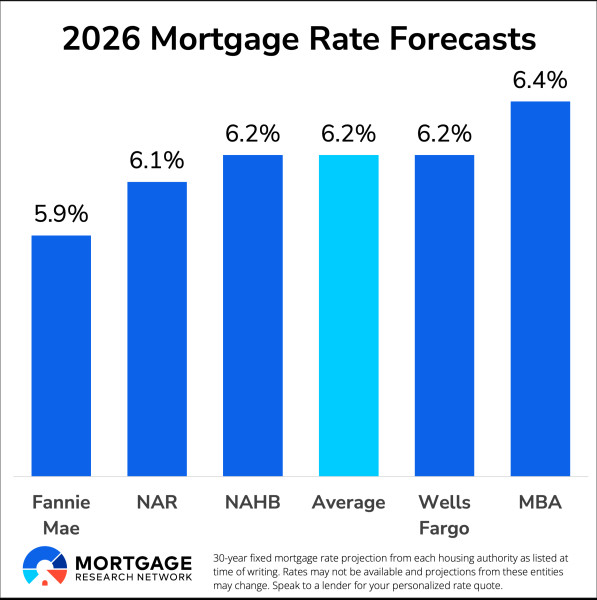
Looking ahead, the outlook for 2026 remains uncertain. Fed Chair Jerome Powell has indicated that the central bank is taking a cautious approach, with no clear indication of further rate cuts or hikes in the near term. This caution reflects the divided opinions within the Fed over the appropriate course of action, with some members favoring more aggressive stimulus while others remain concerned about inflation.
Overall, today's rate cut underscores the Fed's commitment to supporting the economy through challenging times. While the immediate effects on consumers and businesses are likely to be mixed, the broader goal is to foster a more robust economic environment in the coming year.
How does this story make you feel?
Up next · BusinessFederal Reserve Announces Third Consecutive Interest Rate Cut, Signaling Economic Uncertainty