Federal Reserve Announces Third Consecutive Interest Rate Cut, Signaling Economic Uncertainty

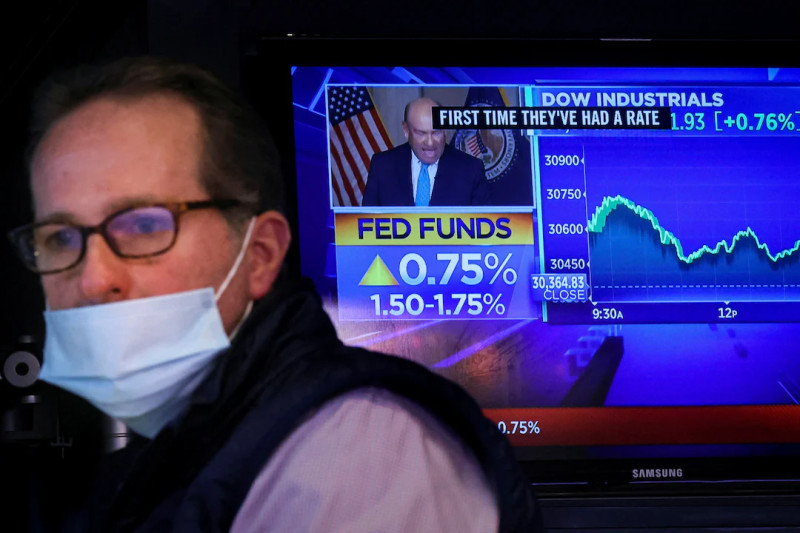
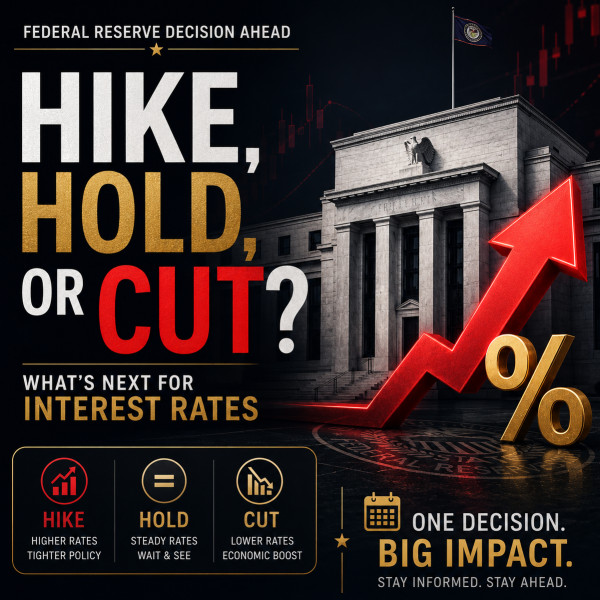
The Federal Reserve made a pivotal decision today, lowering interest rates for the third time this year by 25 basis points. This move brings the federal funds rate to approximately 3.6%, the lowest level in nearly three years. The decision underscores the ongoing economic challenges and the Fed's efforts to stimulate growth.
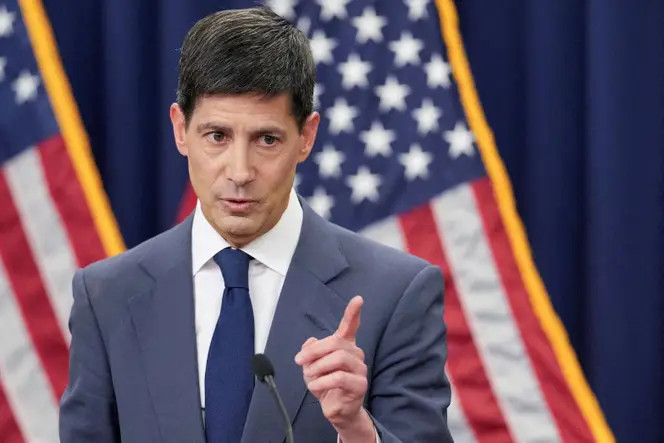
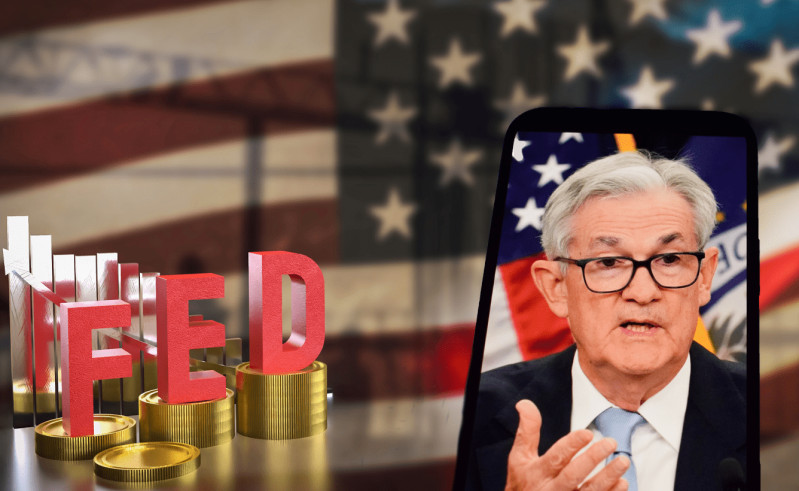
The latest rate cut was closely watched by financial markets, with investors, economists, and policymakers all seeking clues about the Fed's future direction. Fed Chair Jerome Powell, in his post-meeting press conference, emphasized the need for a cautious approach in 2026, indicating that future rate cuts will depend on incoming economic data. This cautious outlook has left market participants divided, with some forecasting further rate cuts and others anticipating a pause to assess the economic impact.
Powell highlighted the divides among Fed officials regarding the necessity and impact of rate cuts on inflation and employment. Despite the rate cut, there was a notable narrowness in the voting, reflecting the internal disagreements within the Federal Reserve Board. This division suggests that the Fed is navigating a delicate balance between supporting economic growth and managing inflation risks.
The Fed's rate cut comes at a time when inflation has shown signs of picking up, and the hiring slowdown continues to concern economists. The central bank is walking a fine line, attempting to boost employment through lower borrowing costs while avoiding exacerbating inflationary pressures. Powell noted that the data-driven approach will continue to guide the Fed's monetary policy, with a focus on job market health and price stability.
Today’s policy decision has broad implications for consumers and businesses. Lower interest rates make borrowing cheaper, encouraging spending and investment, which could potentially boost economic activity. However, the Federal Reserve must carefully monitor the effects of its actions to ensure that the economy does not overheat, leading to higher inflation.
In conclusion, the Federal Reserve's third consecutive rate cut in 2025 underscores a commitment to supporting the economy amidst growing uncertainties. The divided outlook among Fed officials reflects the complex nature of the current economic environment, where balancing growth and stability remains paramount. As we move into 2026, all eyes will be on the Fed, as it continues to navigate the challenges of a dynamic and unpredictable global economy.
How does this story make you feel?
 Up next · BusinessBroadcom (AVGO) Stock: A Comprehensive Analysis of Q4 2025 Earnings and Market Performance