iRobot’s Bankruptcy Filing: The Rise and Fall of a Roomba Empire
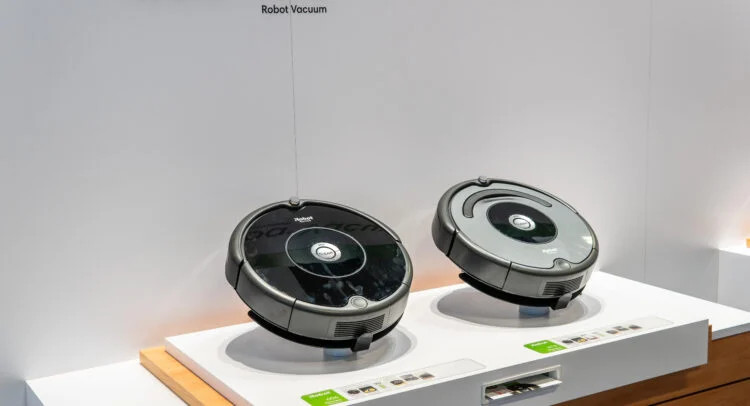
The Roomba brand has been a household name for decades, synonymous with automated home cleaning. However, recent financial turmoil has led to a dramatic turn of events for its maker, iRobot. On December 14, 2025, iRobot Corporation filed for Chapter 11 bankruptcy, marking a significant shift in the company’s trajectory and leaving many investors and consumers in a state of uncertainty.
iRobot, known for its innovative robotic vacuums, was once a pioneer in the consumer robotics industry. The Roomba quickly became a staple in households around the world, revolutionizing how people maintain their living spaces. However, the company’s trajectory has been marred by a series of financial missteps and strategic errors that ultimately led to its downfall. The bankruptcy filing is part of a broader restructuring plan that will see the company go private, with Picea Robotics, a Chinese firm, taking control. This move is a stark contrast to the company’s past, where it was a publicly traded entity with a stock symbol of IRBT on the Nasdaq.
The road to bankruptcy for iRobot has been a tumultuous one. The company’s stock, once a beacon of innovation and growth, has seen significant volatility in recent years. In the early hours of December 15, 2025, the stock plunged by over 83.42% in the pre-market, reflecting investor concerns and the company’s financial distress. However, the news of the bankruptcy filing and the subsequent private buyout by Picea Robotics saw a surprising uptick in the stock price, rising by over 3% in pre-market trading.
The restructuring plan involves handing over control to Picea Robotics, iRobot’s primary manufacturer. This move comes after years of financial struggles and declining market performance. The bankruptcy filing was made in a Delaware court, highlighting the urgency of the situation. The Chinese supplier’s takeover is seen as a strategic move to stabilize the company and provide a clearer financial outlook.
Despite the grim outlook, there are signs of resilience within the IRBT stock. The company has experienced a retail-driven short squeeze, where enthusiastic investors have rallied behind the embattled stock. This has led to extreme volatility and unprecedented trading volumes, creating a significant disconnect between the company’s stock performance and its financial health.
The Roomba saga serves as a cautionary tale in the tech industry, showcasing the rapid rise and fall of a once-dominant player. As iRobot transitions to private ownership, the future of the Roomba and its associated products remains uncertain. Will the brand continue to thrive under new management, or will it fade into obscurity like many other once-great companies? The coming months will be crucial in determining the fate of this iconic household name.
How does this story make you feel?
 Up next · TechIs Spotify Down? Real-time Status and User Reports