Cardinal Dolan Resignation: A New Era for the Archdiocese of New York
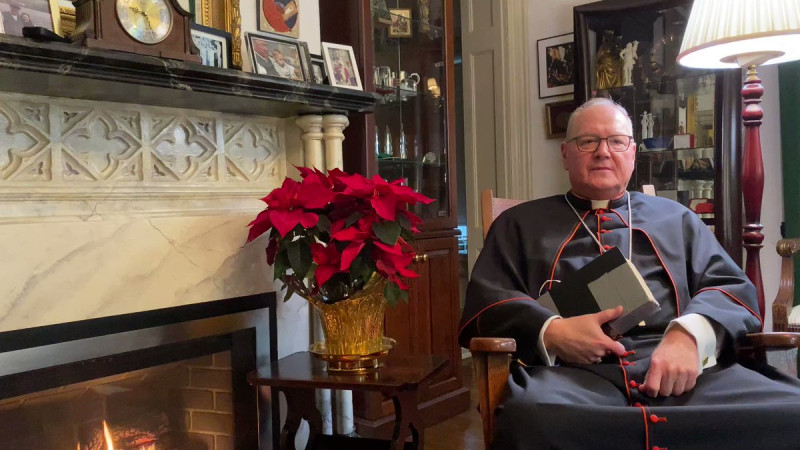
In the evolving landscape of the Catholic Church, the anticipated resignation of Timothy Cardinal Dolan marks a significant transition for the Archdiocese of New York. With Pope Leo XIV poised to accept Dolan’s resignation, the focus now turns to the potential new leadership and the implications for the Archdiocese of New York. As Cardinal Dolan steps down, the stage is set for a new chapter under the guidance of a successor who will bring fresh perspectives and energy to one of the most influential dioceses in the United States.
As Cardinal Dolan approaches his 75th birthday, it is required by Catholic canon law that he submit his resignation. This mandatory retirement age has been a long-standing tradition within the Church, ensuring that leadership roles remain dynamic and responsive to contemporary challenges. Pope Leo XIV is expected to name a successor, and the speculation centers around Bishop Ronald Hicks of Joliet, Illinois. Hicks, known for his strong leadership and Midwestern roots, is seen as a fitting candidate to carry forward the legacy of the Archdiocese of New York.
The Archdiocese of New York, a bastion of Catholic faith and influence, has navigated numerous transitions over the years. Cardinal Dolan, who has been at the helm for nearly a decade, has left an indelible mark on the diocese through his pastoral approach and public presence. His departure will undoubtedly leave a void, but it also presents an opportunity for renewal and innovation. The incoming archbishop, likely to be Bishop Ronald Hicks, is expected to bring a fresh perspective and a renewed focus on the spiritual and administrative needs of the diocese.
Bishop Hicks, known for his robust leadership and strategic vision, will face several key challenges as he takes over the Archdiocese of New York. Among these, the modernization of pastoral practices and the engagement of younger generations in the Church will be pivotal. The new archbishop will also need to address the evolving social and political landscape, ensuring that the Archdiocese remains a beacon of hope and moral guidance. With his background in Illinois and his reputation for strong leadership, Hicks is well-positioned to navigate these complexities and drive the Archdiocese of New York into a new era of growth and relevance.
Pope Leo XIV’s expected appointment of Bishop Ronald Hicks as the new archbishop of New York signals a shift in leadership that could bring new energy and ideas to the diocese. As the Catholic Church continues to adapt to the modern world, the selection of a successor who can bridge the gap between tradition and innovation will be crucial. The Archdiocese of New York, under the guidance of a new leader, will undoubtedly continue to play a vital role in the broader narrative of the Catholic Church in the United States and globally.
As the Church awaits the formal announcement of Cardinal Dolan’s successor, the focus remains on the transition and the future of the Archdiocese of New York. The resignation of a long-serving cardinal and the appointment of a new leader are not merely administrative changes but pivotal moments for the spiritual and ecclesiastical landscape. With Bishop Ronald Hicks positioned to take the reins, the Archdiocese of New York is poised for a new chapter that promises to be both transformative and inspiring.
How does this story make you feel?
 Up next · WorldPuget Sound Energy Outage Map and Weather Alerts