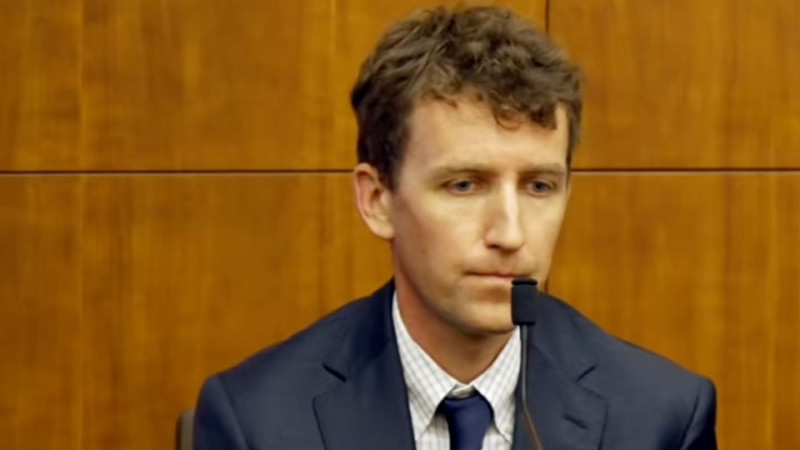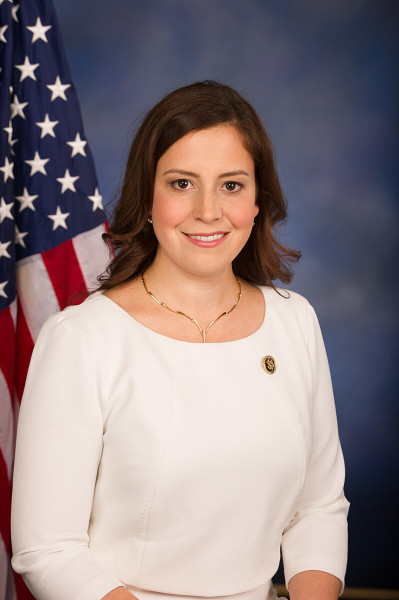
On December 19, 2025, Representative Elise Stefanik announced her withdrawal from the New York gubernatorial race, marking a significant shift in the political landscape of the state. Stefanik, a staunch ally of former President Donald Trump, had initially declared her candidacy with high hopes and significant support from the Republican base. However, her decision to step down comes just days after Nassau County Executive Bruce Blakeman entered the race, setting up a contentious Republican primary.
Stefanik's announcement on the social media platform X highlighted her confidence in her chances against Blakeman but cited the need to reevaluate her political strategy. Despite her support from key figures within the Republican Party, Stefanik acknowledged that the dynamics of the race had changed with Blakeman's entry, which likely complicated her path to the nomination.
The decision to suspend her campaign for both the governorship and her House seat comes as a surprise to many, given her strong political backing and public support. Stefanik's campaign had been characterized by a blend of traditional conservative policies and a focus on grassroots activism, which had resonated well with her base. However, the emergence of Blakeman as a strong contender has forced a reevaluation of her political aspirations.
Blakeman's entry into the race has added a new layer of complexity to the Republican primary. As the Nassau County Executive, Blakeman brings a different set of experiences and a distinct political style, which has garnered attention and support from various segments of the Republican Party. Blakeman's campaign launch was met with enthusiasm, positioning him as a formidable opponent to Stefanik and setting the stage for a bitter primary battle.
Looking ahead, the Republican primary in New York is poised to be one of the most closely watched races in the nation. The winner of the primary will likely face off against incumbent Governor Kathy Hochul in the general election, adding another layer of intensity to the political arena. The outcome of the primary will depend on factors such as public sentiment, fundraising capabilities, and the strategies employed by both candidates.
As Stefanik reevaluates her political future, all eyes are on the developments within the Republican Party in New York. Whether Stefanik will continue to play a significant role in national politics or pursue other avenues remains to be seen. It is clear, however, that her decision to step down from the gubernatorial race will have far-reaching implications for the political landscape of the state and the nation as a whole.
In conclusion, Elise Stefanik's decision to withdraw from the New York gubernatorial race and not seek re-election for her House seat is a pivotal moment in her political career and the broader Republican landscape. As both Stefanik and Blakeman reassess their strategies, the future of New York politics hangs in the balance, with the Republican primary set to be a battleground for influence and support within the party.