Navigating the H-1B Visa Landscape in 2025: New Rules and Significance
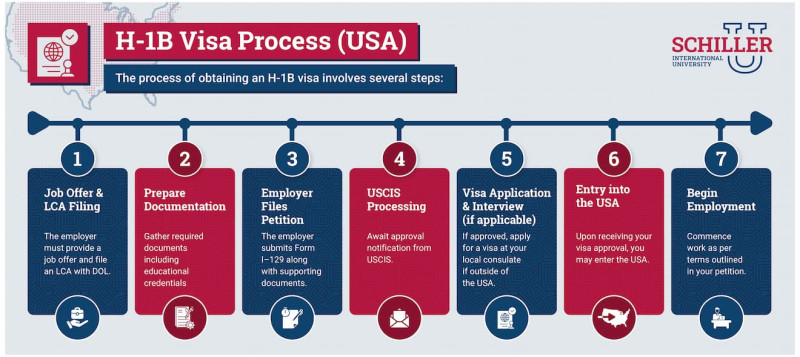
The H-1B visa program, a cornerstone of U.S. immigration policy, continues to evolve with significant changes in 2025. This program, designed to attract skilled foreign workers, has undergone numerous transformations, impacting both employers and applicants. As of 2025, the U.S. Citizenship and Immigration Services (USCIS) has proposed amendments to the selection process for H-1B registrations, aiming to prioritize higher-skilled and higher-paid foreign workers.
One of the most notable changes is the implementation of a weighted selection process. This new system, effective for the FY 2027 H-1B cap registration season, will increase the likelihood of selection for registrations associated with higher wages, thus potentially benefiting more skilled and highly compensated candidates. This shift is part of broader immigration reforms aimed at protecting American jobs and wages, as highlighted by the Trump administration's policy changes.
The H-1B visa is particularly notable for being a "dual intent" visa, allowing holders to apply for permanent residency while working in the U.S. This unique characteristic makes it highly attractive for both employers and employees, as employers often sponsor green card applications for their H-1B employees, facilitating a smoother transition to permanent residency.
However, the journey for H-1B visa applicants in 2025 is fraught with challenges. Political pushback and increased scrutiny have led to additional hurdles, including social media checks and other administrative hurdles. These disruptions, combined with the evolving selection process, create a complex environment for those seeking to navigate the H-1B system. Despite these challenges, the H-1B visa remains a vital pathway for skilled foreign professionals, contributing significantly to the U.S. economy.
The impact of these changes is multifaceted. On one hand, the weighted selection process aims to ensure that the most qualified and highest-paid workers are prioritized, potentially leading to a more skilled workforce. On the other hand, the increased scrutiny and administrative hurdles may deter some applicants, affecting the overall pool of talent available to U.S. employers. The importance of staying informed about these changes cannot be overstated, as both employers and applicants must adapt to the evolving landscape of the H-1B visa program.
How does this story make you feel?
 Up next · BusinessH-1B Visa: The New Landscape of Specialty Occupations in the U.S.