Student Loan Debt Collection in 2026: The Resumption of Wage Garnishment
The landscape of student loan debt collection is set to undergo a significant shift in 2026, as the Trump administration plans to resume wage garnishments for borrowers in default. After a period of leniency during the COVID-19 pandemic, the federal government is preparing to reinstate these collections, marking a pivotal moment for millions of borrowers who have fallen behind on their payments.
Since March 2020, collection activities on federal student loans, including wage garnishments, had been largely paused due to the pandemic. This pause provided temporary relief to borrowers who were struggling financially. However, with the resumption of collections in 2026, borrowers who remain in default on their loans are at risk of having a portion of their wages withheld to repay their debts.
Wage garnishment for defaulted student loans is a process where a portion of a borrower's wages is withheld by their employer and sent directly to the loan servicer or collection agency. This measure is typically a last resort for the government to recover unpaid debts, and it often affects borrowers who have been in default for an extended period, usually more than 270 days.
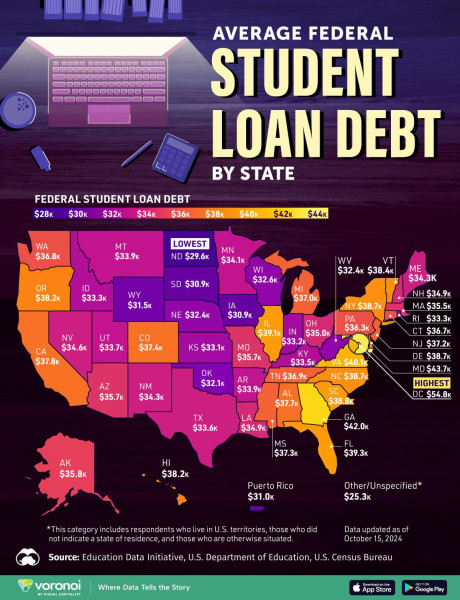
The resumption of wage garnishments will have far-reaching implications for millions of borrowers. As of now, over 5 million borrowers are already in default on their federal student loans, making them potential targets for this collection activity. These borrowers will not only face financial strain but also lose eligibility for new federal student aid and federally backed mortgages due to their default status.
The Department of Education has announced that collection activities will begin only after borrowers have been provided with sufficient notice and the opportunity to repay their loans. This notice period is crucial as it allows borrowers to take proactive steps to address their debt before wage garnishment begins. However, the specifics of what constitutes "sufficient notice" and the exact timeline remain uncertain, adding to the uncertainty for many borrowers.
The resumption of wage garnishments in 2026 is part of a broader shift in federal student debt enforcement. The Biden administration had extended a grace period until October 2023, during which no federal student loans were referred for collection. However, with the end of this grace period, the Trump administration is set to reinstate collection activities, including wage garnishments, tax refund withholdings, and federal benefit offsets.
The impact of these changes on borrowers' financial well-being and the broader economy will be significant. While the federal government aims to recover unpaid debts, the burden of wage garnishments can exacerbate financial hardship for many borrowers, particularly those who are already struggling with other debts or living paycheck to paycheck. Additionally, the resuming of collections could lead to increased default rates and further strain on the already challenged student loan system.
As 2026 approaches, borrowers in default should stay informed about the upcoming changes and take proactive steps to address their debts. Seeking financial advice, exploring repayment plans, or even consolidating loans may help borrowers avoid the harsh consequences of wage garnishment. For those who are already facing garnishments, understanding their rights and options for relief or negotiation will be crucial in navigating this challenging period.
How does this story make you feel?
 Up next · BusinessWhat Time Does the Stock Market Close Today? Understanding Christmas Eve Trading Hours in 2025