Asus: The Tech Giant's Foray into RAM Production
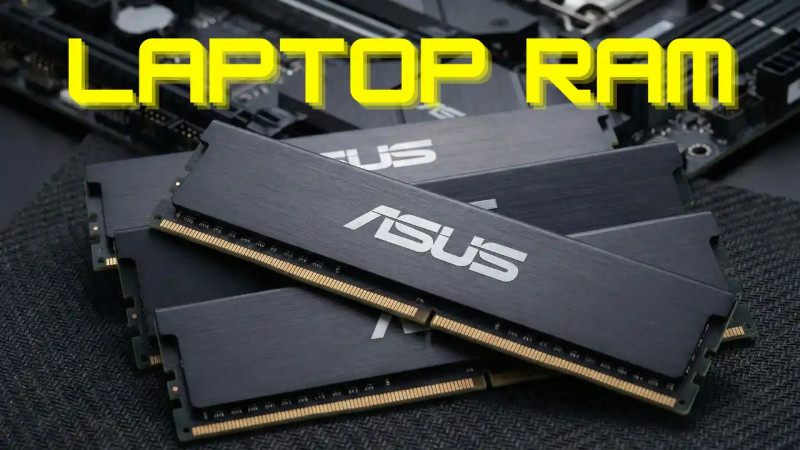
In the ever-evolving world of technology, Asus has long been a household name, renowned for its innovative laptops, desktops, and peripherals. However, the company's recent foray into RAM production has sparked significant interest and speculation within the industry. As the global demand for memory components continues to rise, Asus's potential entry into the DRAM market could be a game-changer. As of 2025, rumors and reports are rife with implications for the future of technology manufacturing.
Reports indicate that Asus is considering entering the DRAM market to alleviate memory shortages and secure its supply chain. This move comes amid a global RAM shortage that has seen prices soar and supply chains strained. Asus’s potential foray into memory manufacturing is seen as a strategic response to these challenges, aiming to ensure a stable and sufficient supply of memory components for its products. By 2026, Asus reportedly plans to set up dedicated production lines for DRAM manufacturing, which could significantly impact the market dynamics.
However, not everyone is convinced that Asus will follow through with these plans. Despite the rumors, Asus has publicly denied any immediate plans to enter the DRAM manufacturing sector. The company has stated that while it is exploring the possibility, the decision to invest in memory production remains speculative and contingent on several factors including market conditions and supply chain stability. This ambiguity has led to a mix of excitement and caution among industry analysts and consumers alike.
One of the key motivations behind Asus's potential entry into DRAM manufacturing is the persistent memory shortages that have plagued the tech industry for years. The high demand for memory components, coupled with supply chain disruptions, has resulted in inflated prices and shortages, affecting both consumers and manufacturers. Asus’s move to produce its own DRAM could help stabilize prices and ensure a steady supply of memory components, benefiting both the company and the broader market.
Critics argue that entering the DRAM market would be a significant undertaking for Asus, given its current lack of expertise in large-scale memory production. Unlike traditional memory players such as Micron, Samsung, and SK Hynix, Asus does not currently manufacture DRAM at scale, and building a production facility from scratch would require substantial investment and technological expertise. However, if successful, Asus could not only meet its own demand but also offer excess capacity to other PC makers facing similar challenges, potentially reshaping the competitive landscape of the memory market.
In conclusion, Asus's potential entry into the DRAM market is a fascinating development that could significantly alter the dynamics of the tech industry. While the company has not yet confirmed its plans, the speculation alone has sparked a flurry of discussions and analyses. Whether Asus ultimately decides to invest in memory manufacturing or not, its strategic considerations and potential impact on the market are worth keeping an eye on. As we move into 2026, the industry eagerly awaits any official announcements from Asus regarding its plans for RAM production and its impact on the global tech market.
How does this story make you feel?
 Up next · TechGTA 6 Release Date: The Latest Updates and Delays