SNAP Bans on Soda and Candy: A New Era in Food Assistance Regulations
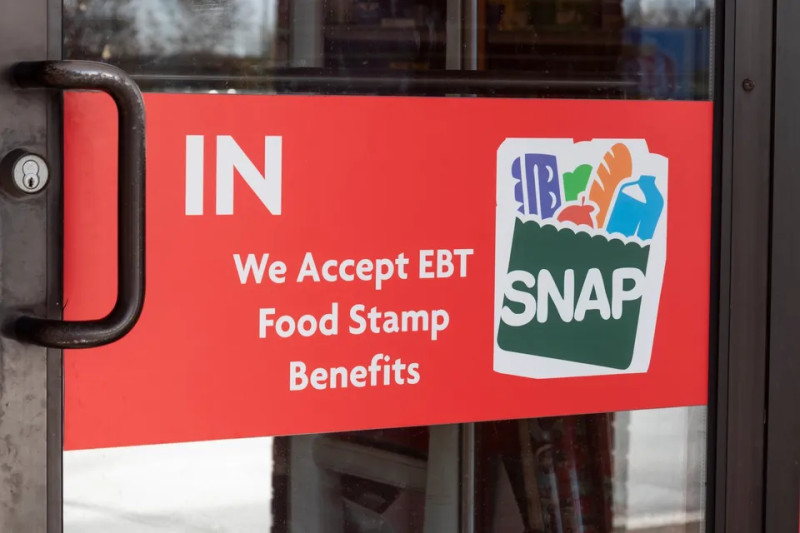
As of January 1, 2026, significant changes are sweeping through the Supplemental Nutrition Assistance Program (SNAP) in five states: Utah, West Virginia, Nebraska, Indiana, and Iowa. These states have implemented bans on the purchase of soda, candy, and other non-nutritious foods using SNAP benefits, aiming to promote healthier eating habits among recipients. This move marks a pivotal shift in how food assistance is managed, raising both hopes and concerns among policymakers, health advocates, and the public.
The new restrictions in these five states are part of a broader trend where governments are taking a more proactive approach to public health, with a growing emphasis on nutrition and wellness. Utah and West Virginia are leading the charge with bans on soda and soft drinks, including energy drinks, while Nebraska has focused on prohibiting soda and energy drinks specifically. Indiana is targeting soft drinks and candy, while Iowa has the most comprehensive restrictions, affecting taxable foods like soda, candy, and certain prepared foods. These changes are set to impact millions of SNAP recipients, who will now face new challenges in managing their grocery lists.
The decision to ban unhealthy food items from SNAP benefits was driven primarily by concerns over public health and nutrition. Advocates argue that limiting access to high-sugar, high-fat foods can help combat obesity and related health issues, such as diabetes and heart disease, among low-income populations. However, critics point out that such restrictions could stigmatize SNAP recipients and limit their dietary choices, potentially leading to unintended consequences. The debate highlights the complex interplay between nutrition policy and social welfare, as well as the need for a balanced approach that considers both health and economic factors.
Idaho and Arkansas are also moving towards similar restrictions, with Idaho planning to ban candy and soda starting in January 2026. Arkansas, under the Arkansas waiver, has implemented a ban on soda, low and no-calorie soda, fruit and vegetable drinks with less than 50% natural juice, and other unhealthy drinks and candy. This trend reflects a broader movement towards stricter regulations on what can be purchased with SNAP benefits, driven by health concerns and the desire to promote better nutritional outcomes.
While the intent behind these bans is noble, the implementation has not been without challenges. Critics argue that the restrictions could lead to unintended consequences, such as increased stigma for SNAP recipients and potential hardships in accessing essential food items. The varying restrictions across states are adding to the confusion, making it difficult for food companies and retailers to adapt. The complexity of these changes underscores the need for a harmonized approach that balances health goals with the practical needs of SNAP recipients
Despite the challenges, the SNAP bans represent a significant step towards addressing public health issues through food assistance policies. As these restrictions take effect, it will be crucial to monitor their impact on recipients' health and well-being. The success of these policies will depend on effective communication, support, and possibly adjustments to ensure that they achieve their intended goals without causing undue hardship. The coming months will be pivotal in determining the long-term effectiveness and acceptability of these new regulations.
How does this story make you feel?
 Up next · HealthTatiana Schlossberg, Granddaughter of JFK, Dies at 35 Following Battle with Leukemia