Today, as we step into 2026, it's the perfect time to explore the rich tapestry of New Year's traditions and superstitions that have been passed down through generations. These customs, deeply rooted in cultural history, offer a glimpse into how people around the world seek to bring good fortune and prosperity into the coming year.
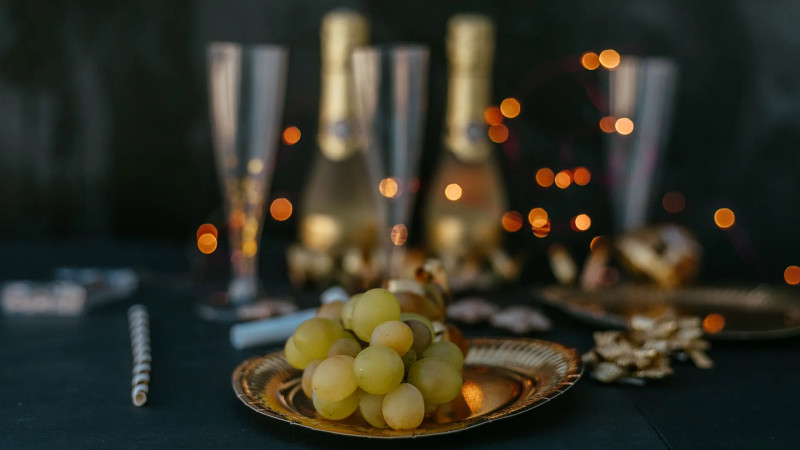
Many New Year's traditions date back to ancient times and have evolved over centuries. For instance, the practice of eating 12 grapes at midnight is a beloved custom in Spain, where each grape eaten with each chime of the clock represents a month's good luck for the year ahead. This tradition is believed to have originated in the early 20th century, when grape farmers in the Alicante region promoted the custom to boost sales
In addition to grape-eating, another popular New Year's practice is wearing new underwear. In Italy, it is customary to wear red underwear on New Year's Eve to attract love and good fortune. This tradition symbolizes new beginnings and the shedding of past misfortunes. Similarly, in some cultures, wearing polka-dotted clothing brings luck and prosperity, while in Brazil, yellow underwear is favored for the same reasons.
New Year's food also plays a significant role in many celebrations. For example, eating pomegranates in Greece is considered auspicious, as the seeds represent abundance and good luck. In Japan, soba noodles are consumed for longevity, while in the Philippines, round fruits like oranges and grapes are eaten to symbolize the cycle of life and prosperity.
New Year's Eve is also a time for reflection and renewal, and many traditions reflect this theme. In Scotland, the custom of first-footing involves being the first person to enter a home after midnight, bringing gifts like coal, salt, or bread to ensure good luck for the household. In Ecuador, people burn effigies called "Año Viejo" (Old Year), symbolizing the burning away of past troubles and embracing a fresh start.
Superstitions abound during this time as well. In many cultures, it is considered unlucky to open an umbrella indoors or to sweep the floor on New Year's Day, as it may sweep away good luck. Conversely, some superstitions are believed to bring good fortune, such as breaking a pomegranate or jumping over a wave to symbolize the washing away of the past.
These New Year's traditions and superstitions are not just about luck; they are about community, continuity, and the hope for a brighter future. Whether it's through specific foods, rituals, or customs, people around the world find ways to mark the transition from one year to the next, each with their unique blend of symbolism and significance. As we embark on 2026, let these traditions inspire us to embrace the unknown with hope, joy, and a sense of renewal.