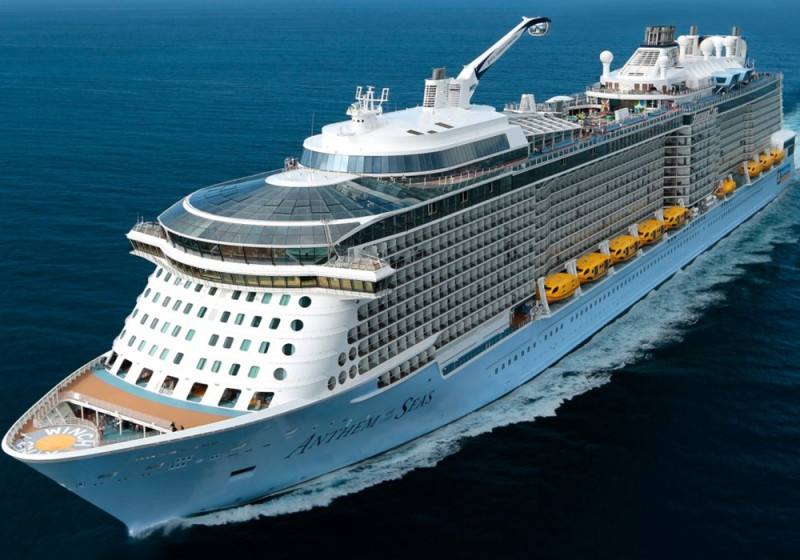
In a dramatic turn of events, a 77-year-old woman fell overboard from the Nieuw Statendam cruise ship, operated by Holland America Line, in the Caribbean Sea on New Year's Day.
The incident took place near Cuba's Sabana, approximately 40 miles northeast of the coastal town, where the ship was sailing.
According to reports, the U.S. Coast Guard was promptly notified and initiated a search and rescue operation, given the critical nature of the situation. However, the extensive search, which lasted roughly eight hours, was eventually called off.
The Nieuw Statendam, known for its luxurious amenities and scenic routes, was cruising through the eastern Caribbean at the time of the incident. The cause of the woman's fall remains under investigation, with no immediate details provided regarding the circumstances leading up to the tragic event.
This incident is not the first of its kind for Holland America Line. In November 2019, a 70-year-old woman tragically fell overboard and died while sailing in the South Pacific on another Holland America ship. Such incidents highlight the critical importance of safety measures and protocols in passenger ships, particularly during open-sea voyages.
The loss of life at sea, particularly in the context of a passenger ship, underscores the urgency for stringent safety regulations and the need for enhanced surveillance technologies. Cruise operators are increasingly looking into advanced systems, such as real-time monitoring and automated alerts, to prevent such tragedies. However, these efforts are still under scrutiny in light of continuous incidents.
For now, the focus remains on the ongoing investigation and the support provided to the family and friends of the passenger overboard. As the maritime community grapples with this latest tragedy, the importance of vigilance and preparedness in addressing such emergencies cannot be overstated. The maritime community continues to call for more comprehensive measures to ensure the safety of passengers on board cruise ships.