2026 Flu Season Unleashes New Variant: Understanding the 'Super Flu' Virus
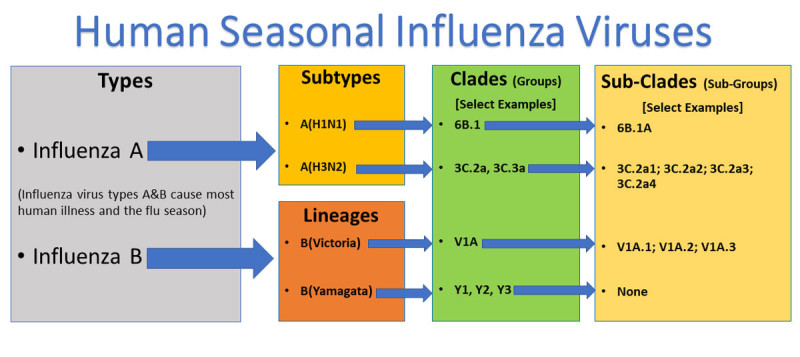
The flu is back with a vengeance, and this year's flu virus is causing widespread concern. Dubbed the "super flu" by health officials, subclade K, a new variant of the influenza A (H3N2) virus, has taken center stage in the 2026 flu season. This flu virus strain is spreading rapidly, proving to be more severe and challenging to manage than previous variants.
Subclade K is a subgroup of the well-established human seasonal flu virus H3N2, which has been circulating for decades. Unlike other flu strains, subclade K has shown a higher rate of infection and has been linked to more severe illness. This new variant of influenza A H3N2 is causing alarm due to its increased severity and the limitations of current vaccines in providing adequate protection. Health experts are concerned that this variant could lead to a more intense flu season, with higher rates of hospitalization.
The term "super flu" reflects the heightened concern surrounding this new variant. While traditional flu strains typically cause mild to moderate symptoms, subclade K has been associated with more intense flu seasons, characterized by higher hospitalization rates and a greater impact on public health. This variant's emergence underscores the ongoing challenge of influenza, which evolves rapidly and requires continuous monitoring and adaptation of public health strategies.
Subclade K is part of the broader category of influenza A viruses, known for their ability to cause pandemics. Unlike influenza B and C, which generally cause milder infections, influenza A viruses can lead to severe outbreaks and pandemic situations. The emergence of subclade K highlights the importance of vigilant surveillance and the development of effective vaccines to combat the ever-evolving nature of the flu virus.
As the flu season progresses, health officials are urging the public to take precautions to protect against the "super flu". Experts recommend getting vaccinated, practicing good hygiene, and staying home if symptoms arise. Despite the challenges posed by subclade K, proactive measures can help mitigate its impact and ensure a healthier flu season for all.
How does this story make you feel?
 Up next · HealthFentanyl Crisis: The Latest on Island Boys' Franky Venegas Arrest