Reyes Magos: A Celebration of Faith, Tradition, and Joy
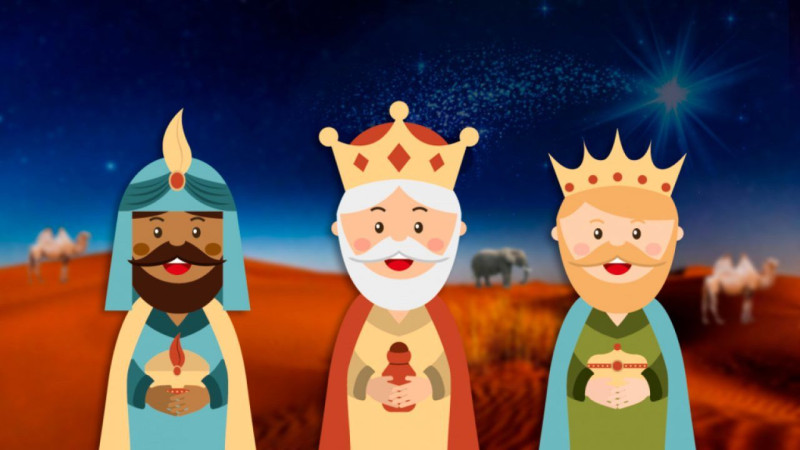
The **Reyes Magos**, or Three Kings Day, is an integral part of Spanish culture, celebrated annually on January 6th. This festive day, also known as the Epiphany, marks the culmination of the Christmas season and honors the arrival of the Three Wise Men, who journeyed from the East to pay homage to the infant Jesus. The holiday is steeped in rich **traditions** and customs that have evolved over centuries, blending religious significance with joyous celebrations.
In Spain, the **Reyes Magos** are celebrated with great fervor and enthusiasm. The day is marked by elaborate parades, where children eagerly await the arrival of the Three Kings: Melchor, Gaspar, and Baltasar. These parades, known as **cabalgatas**, feature colorful floats and festive music, creating a magical atmosphere that captivates both young and old alike. The streets are filled with excitement as the Three Kings distribute candy and small gifts to the children, making the event a cherished memory for many.
The celebration of the Reyes Magos is not just about the parades and gifts; it also involves a rich array of **traditions** and customs that have been passed down through generations. One of the most notable customs is the sharing of the **Rosca de Reyes**, a sweet bread adorned with dried fruits and nuts. This **bread** is traditionally sliced and shared among family and friends, with a small figurine of the baby Jesus hidden inside. The person who finds the figurine is said to have good luck for the coming year and is often tasked with hosting a special dinner on February 2nd, known as the Día de la Candelaria.
Another significant aspect of the Reyes Magos celebration is the exchange of gifts. Unlike Christmas, where children receive presents from Papá Noel (Santa Claus), the Reyes Magos are the ones who bring gifts to children on the night of January 5th. Children write letters to the Three Kings, expressing their wishes and hopes for the coming year. On the night before the celebration, they leave their shoes out, often filled with straw or carrots for the Kings' camels, hoping to receive presents in return.
The **history** and significance of the Reyes Magos are deeply rooted in biblical accounts and cultural narratives. According to the Gospel of Matthew, the Three Kings, or Magi, were wise men from the East who followed a star to Bethlehem, where they presented gifts of gold, frankincense, and myrrh to the newborn Jesus. This narrative has been interpreted and reimagined throughout history, with different cultures adding their own unique elements to the story. The figures of Melchor, Gaspar, and Baltasar represent wisdom, faith, and the diversity of human experience, making them beloved figures in Christian and cultural traditions.
In addition to the parades and gift-giving, the Reyes Magos celebration also includes various **culinary delights** that are enjoyed by families and friends. Traditional sweets and treats such as turrón (a type of nougat) and marzipan are commonly served, adding to the festive spirit of the occasion. These delights are not only a treat for the taste buds but also a symbol of the joy and unity that the holiday brings to communities.
The Reyes Magos celebration in Spain is a vibrant and enchanting event that brings together a rich tapestry of traditions, faith, and community spirit. From the magical parades to the sharing of the Rosca de Reyes and the exchange of gifts, this holiday holds a special place in the hearts of many. As we celebrate the arrival of the Three Kings, we are reminded of the enduring power of faith, hope, and the magic of childhood dreams.
How does this story make you feel?
 Up next · EntertainmentAshley Tisdale's Reveal: The Drama Surrounding Her 'Toxic' Mom Group