Winter Storm Warnings: Navigating the 2026 Winter Weather Crisis
The first week of January 2026 has brought with it a brutal winter storm that has gripped the United States, prompting urgent warnings and advisories from the National Weather Service (NWS). The storm, which has been dubbed the Storm of the Century by some, is affecting millions of people across the country, with particularly severe conditions in the Northeast, Mid-Atlantic, and Great Lakes regions. This article provides a comprehensive overview of the storm, the warnings and advisories in place, and the potential impacts on travel and daily life.
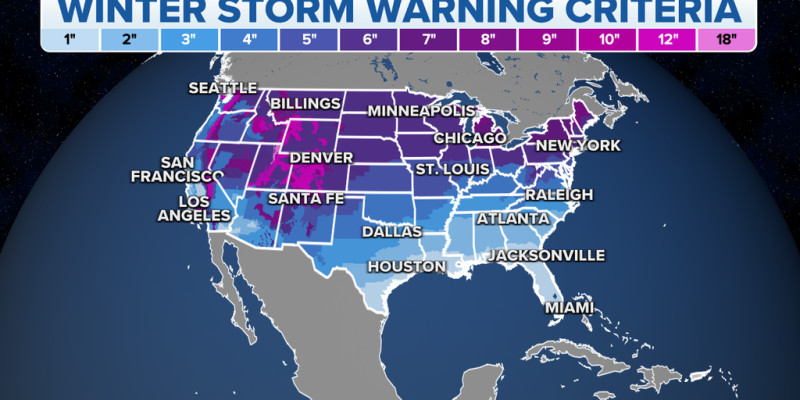
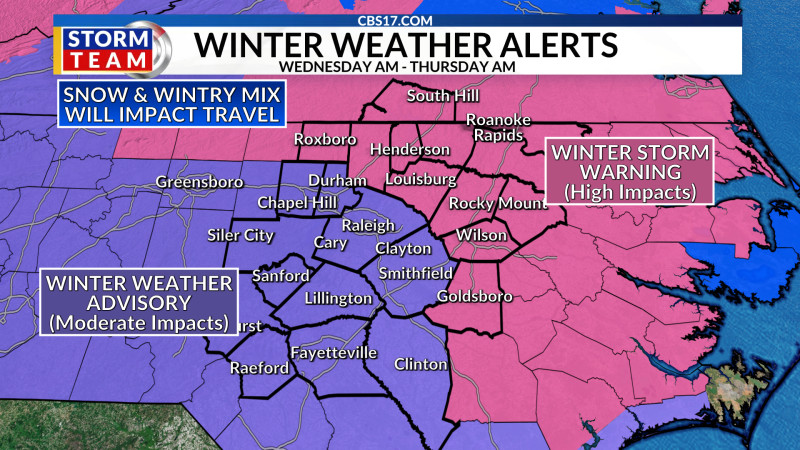
The National Weather Service (NWS) issues winter weather warnings, watches, and advisories to alert the public to hazardous conditions. These alerts are tailored to local criteria, meaning that the amount of snow or ice that triggers a warning can vary significantly from one region to another. For example, in the Northern Plains, a "Winter Storm Warning" might be issued for a much higher snowfall threshold than in other parts of the country. As of today, more than 60 million Americans are under some form of winter weather alert, with a significant portion of the population facing the most severe conditions.
In the Northeast, a major winter storm is expected to bring heavy snowfall, ice, and strong winds, creating hazardous travel conditions and potential power outages. The storm is expected to affect major cities along the Eastern Seaboard, including New York, Boston, and Philadelphia. Winter Storm Warnings are in effect for these areas, urging residents to take immediate action to prepare for the storm.
But it's not just the Northeast that's feeling the brunt of the storm. Across the country, from northern Minnesota to the Eastern Seaboard, more than 51 million Americans are under winter storm alerts. This includes Winter Storm Warnings, Winter Storm Watches, and Winter Weather Advisories, each with its own set of criteria and recommended actions.
In the Midwest, a Winter Weather Advisory is in effect for much of the region, with significant snowfall and ice accumulation expected. This advisory is issued when winter weather conditions are expected to cause significant inconveniences and potentially hazardous conditions, but not necessarily life-threatening situations. Residents are urged to be cautious and prepare for travel disruptions.
In the context of the storm, it's important to understand the different types of winter weather alerts and what they mean. A Winter Storm Warning is issued when a significant winter storm is imminent or occurring, with heavy snowfall, ice, or a combination of both expected. This is the most severe alert and requires immediate action to protect life and property. A Winter Storm Watch, on the other hand, is issued when severe winter weather, such as heavy snow or ice, is possible within the next 12 to 36 hours. This is a heads-up to start preparing for the potential storm. Finally, a Winter Weather Advisory is issued when potentially dangerous winter weather is expected, but conditions should not be life-threatening.
As the storm continues to impact the country, it's crucial for residents to stay informed and heed the advice of local authorities. The National Weather Service (NWS) provides real-time updates and alerts through their website, and many local news outlets are offering comprehensive coverage of the storm. Residents should monitor these sources for the latest information and follow any evacuation orders or safety guidelines issued by local officials.
In conclusion, the 2026 winter storm is a significant weather event that has brought widespread disruption and danger to millions of Americans. With winter weather warnings, watches, and advisories in place across the country, it's essential to stay informed, prepare for potential hazards, and follow the guidance of local authorities. As the storm continues to unfold, let's hope for the safety and resilience of those affected. Stay safe out there, and keep an eye on the latest weather updates.
How does this story make you feel?
 Up next · WorldOklahoma Braces for Severe Weather: Tornado Warnings and Stormy Conditions