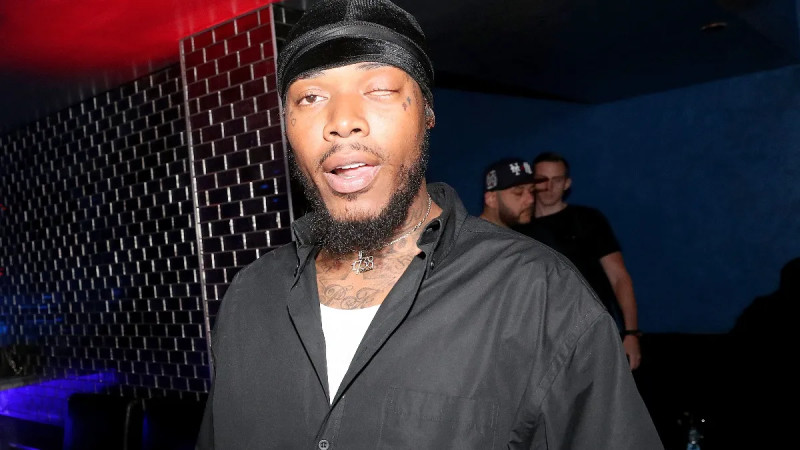
Fetty Wap, the renowned rapper known for hits like "Trap Queen," has made headlines once again with his unexpected early release from prison. On January 8, 2026, the rapper was released, marking a significant moment in his legal journey. Originally scheduled to be released in December 2026, Fetty Wap's early exit from prison is a result of a series of release date adjustments and legal developments.
Fetty Wap's legal troubles began in 2021 when he was arrested on federal drug trafficking charges. Initially released on a $500,000 bond, his freedom was short-lived as he was returned to custody in August 2022 for violating the terms of his pretrial release. The rapper was subsequently sentenced to six years in federal prison, followed by five years of supervised release. The severity of the charges led to a lengthy sentence, reflecting the seriousness of the offenses.
The past year has seen multiple changes to Fetty Wap's release date, with officials progressively moving it up. The most recent adjustment placed his release in early December 2026, allowing him to spend the holiday season with his family and friends. This change came as a surprise to many, given the initial projections of his prison term.
Fetty Wap's release has sparked a mix of reactions from fans and industry insiders. Many have expressed excitement and relief, hoping that the rapper will return to the music scene with fresh perspectives and new creative endeavors. Meanwhile, others have debated the fairness of his sentence and the legal processes that led to his early release. Regardless of the public's opinion, Fetty Wap's return signals a new chapter in his career and personal life.
While Fetty Wap's early release is a moment of celebration, it also serves as a reminder of the complex nature of the legal system and the potential for reform. The rapper's case highlights the importance of ongoing dialogue about sentencing guidelines, rehabilitation, and the impact of incarceration on individuals and their families. As Fetty Wap steps back into the public eye, his story will likely continue to resonate with those who advocate for justice and fairness in the legal system.