Robert F. Kennedy Jr.'s New Food Pyramid: A Paradigm Shift in U.S. Dietary Guidelines
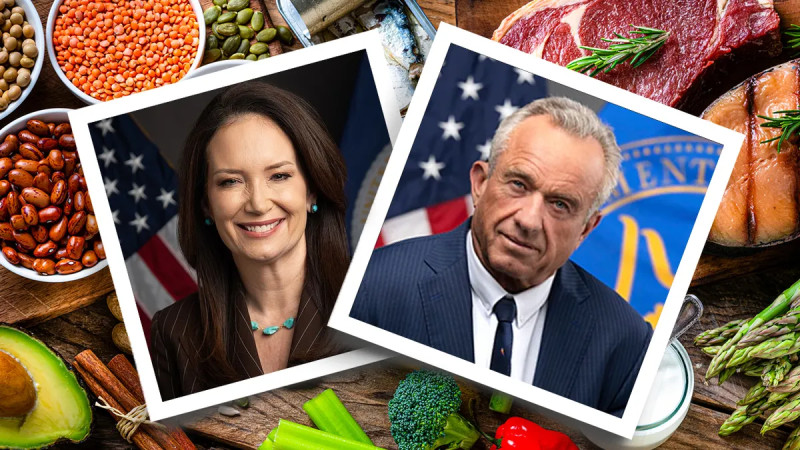
The unveiling of the **new food pyramid** by Robert F. Kennedy Jr. has sparked significant discussion and debate within the nutritional community and beyond. This radical overhaul of the U.S. dietary guidelines, dubbed the "MAHA" (Make America Healthy Again) dietary guidelines, represents a stark departure from the traditional food pyramid that many Americans have grown accustomed to. The new guidelines emphasize the importance of consuming whole, nutrient-dense foods, and reducing reliance on highly processed products.
At the core of this new approach is the idea that nearly 90% of healthcare spending in the U.S. is directed towards treating chronic diseases, many of which are linked to diet and lifestyle. The updated pyramid is a visual representation of this movement, emphasizing whole foods, proteins, and healthy fats, with butter, for example, taking a prominent position near the center. The pyramid's inverted structure places **protein, dairy, and healthy fats** at the top, while **whole grains** sit at the base, reflecting the shift in dietary priorities.
The new food pyramid has drawn both praise and criticism. Nutrition experts have expressed concerns that the shift could reinforce a cultural **protein obsession** at the expense of fruits, vegetables, and whole grains, which are already underconsumed by many Americans. Despite these critiques, the new guidelines are clear in their message: **eat real food**. This message underscores the importance of whole, nutrient-dense foods in maintaining overall health and well-being.
One of the most notable changes in the new food pyramid is the emphasis on **protein**, dairy, and healthy fats. The traditional food pyramid, which was first introduced in 1992, placed grains at the base, suggesting that they should form the foundation of a healthy diet. In contrast, the new pyramid places grains at the bottom, indicating that they should be consumed in smaller quantities, while **protein, dairy, and healthy fats** take center stage.
The new guidelines also address **alcohol consumption**, which has been a contentious issue in previous dietary recommendations. The MAHA guidelines provide clear advice on moderate alcohol consumption, emphasizing that it should be part of a balanced diet rather than a primary source of calories. This nuanced approach reflects a growing body of research that suggests moderate alcohol consumption, particularly of red wine, can have health benefits when consumed as part of a balanced diet.
The new food pyramid's emphasis on whole, nutrient-dense foods is a radical departure from the processed foods and added sugars that have come to dominate the American diet. The guidelines prioritize fresh vegetables, whole grains, and dairy products, all of which have long been advised as part of a healthy eating plan. By shifting the focus towards these nutrient-dense foods, the new pyramid aims to help Americans make healthier choices and reduce their risk of chronic diseases.
The dietary guidelines have generated a major public health debate, challenging decades of nutritional dogma. The shift towards whole foods and higher protein intake could have significant implications for public health, potentially reducing the burden of chronic diseases and improving overall wellbeing.
How does this story make you feel?
 Up next · HealthTimothy Busfield: A Look into the Child Sex Abuse Allegations and His Career