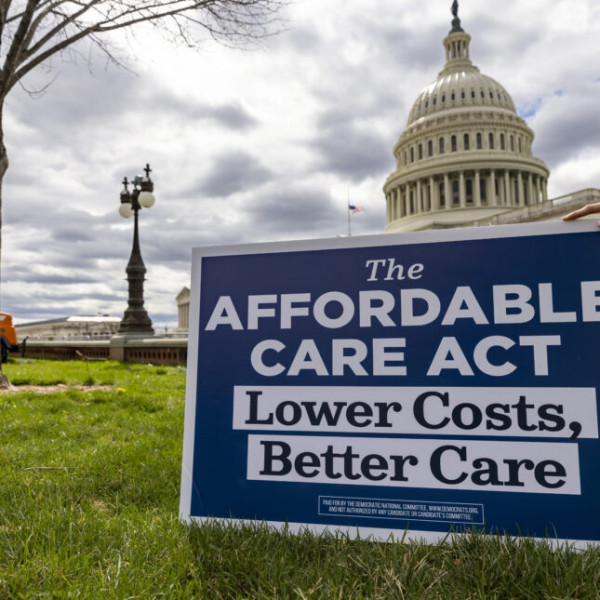
The future of the Affordable Care Act (ACA) subsidies hangs in the balance as Congress prepares to vote on their extension. This crucial decision will significantly impact millions of Americans who rely on these subsidies to afford their healthcare. The ACA subsidies, or premium tax credits, help lower or eliminate the out-of-pocket cost of monthly premiums for those who purchase coverage through the health insurance marketplace.
The looming expiration of the ACA subsidies has sparked intense debate and discussions, especially after the Senate rejected an earlier vote on extensions. The current situation is fraught with uncertainty, with the House expected to vote on a bill to extend these subsidies, but the outcome in the Senate remains unpredictable.
The ACA, passed in 2010, aimed to make affordable health insurance available to more people. A key part of this legislation is the provision of subsidies to low- and moderate-income individuals to help them afford health insurance. These subsidies are primarily paid directly to insurers throughout the year and then reconciled through tax returns, taking the form of income tax credits for individuals.
The gross federal cost of these subsidies and related spending has grown significantly since the program's inception. In 2014, the first year individuals were eligible for the subsidies, the cost was $18 billion. This figure has increased substantially over the years, reflecting the growing number of people who rely on these subsidies for their healthcare needs.
With the enhanced subsidies set to expire, the stakes are high. Many people who get their insurance through the ACA Marketplace and use subsidies could see their monthly premiums double or triple. This would have a devastating impact on those who can least afford it, potentially driving millions of Americans to forgo health insurance altogether.
Two experts at the University of Maryland's School of Public Health have been closely following these developments. They highlight the urgent need for Congress to act swiftly to ensure that these subsidies are extended. The potential expiration of the subsidies could lead to a healthcare crisis, with millions of Americans losing access to affordable healthcare.
While the House is expected to vote on a Democratic proposal to extend the subsidies, the Senate remains a wildcard. A bipartisan group of senators has indicated that they are close to a compromise, but whether this will be enough to secure the necessary votes remains to be seen.
In the meantime, Congress is facing the challenge of balancing the financial implications of extending these subsidies with the urgent need to ensure that Americans have access to affordable healthcare. The outcome of this vote will have far-reaching consequences, not only for those who rely on the ACA subsidies but for the broader healthcare landscape in the United States.