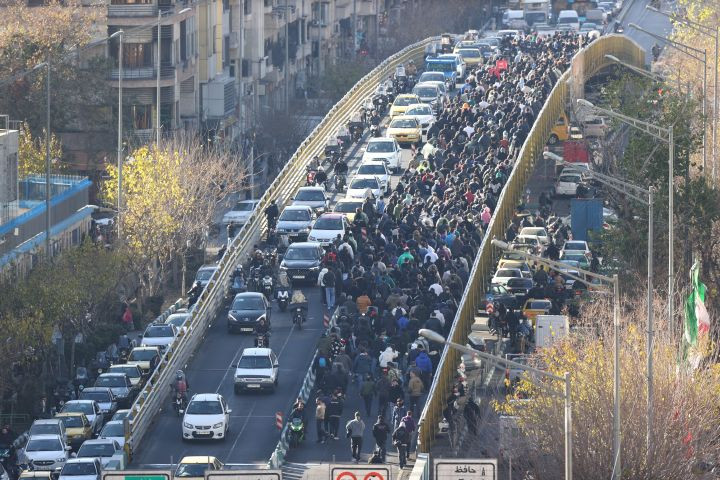
The **Iran protests of 2026** have escalated dramatically, marking a significant period of unrest in the country. The demonstrations, which began in December 2025, have grown into the largest anti-government protests in years, with thousands marching through major cities like Tehran and Mashhad. The protesters, fueled by widespread discontent over economic hardships and political repression, have directed their anger towards the Islamic Republic's leadership, particularly Supreme Leader Ayatollah Ali Khamenei, and have even called for the return of the monarchy under Reza Pahlavi.
One of the most notable aspects of these protests is the widespread internet shutdown imposed by the Iranian government. This move is aimed at curbing the spread of information and organizing efforts among protesters, who have been using social media and other digital platforms to coordinate their actions and share updates with the world. The internet blackout has heightened tensions and made it difficult for international observers to gauge the true extent and impact of the protests.
President Masoud Pezeshkian called for "utmost restraint" in handling the demonstrations, which have been ongoing for 12 days. The protests have been characterized by violent clashes between protesters and security forces, with reports of tear gas being deployed in major cities. The unrest in Iran comes on the heels of a tumultuous period for the country, which has been dealing with the aftermath of a 12-day conflict in June 2026. This conflict, initiated by Israel, saw US forces bomb Iranian nuclear facilities, adding to the country's economic and political instability.
Supreme Leader Ayatollah Ali Khamenei has accused some of the protesters of being influenced by external enemies, including the US, suggesting that their actions are aimed at undermining the Islamic Republic. This narrative is part of a broader strategy to discredit the protests and portray them as foreign-backed efforts to destabilize the country. However, the widespread participation and the depth of grievances among the Iranian people indicate that the protests have deep-rooted domestic causes, including economic hardships and political repression. The protests, which began in response to a sharp decline in the value of the Iranian currency, the rial, have spread to all 31 of the country's provinces, highlighting the pervasive nature of the discontent. The situation in Iran remains volatile, with the protests showing no signs of abating. The government's response, which includes internet shutdowns and accusations of foreign interference, has only served to intensify the unrest. As the world watches, the future of Iran and the outcome of these protests remain uncertain, with the potential for further escalation and widespread change.
In conclusion, the **Iran protests of 2026** represent a critical moment in the country's history, with far-reaching implications for its political and economic future. The protests have highlighted the deep-seated grievances of the Iranian people and their desire for change, despite the government's efforts to suppress the unrest. As the situation continues to evolve, the international community will be closely monitoring developments in Iran and the potential for further unrest or political transition. The protests serve as a powerful reminder of the enduring power of popular movements and the resilience of those who seek to challenge authoritarian regimes.