On January 12, 2026, the world still reflects on the intricate dance of U.S.-Cuba relations, particularly under the Trump administration. The narrative is a tapestry woven with threads of geopolitical strategy, economic sanctions, and a historical context that dates back to the Cold War era. As the Trump administration strengthened its stance on Cuba, it's important to delve into the CIA's involvement, the historical context, and the broader implications of U.S. policy.
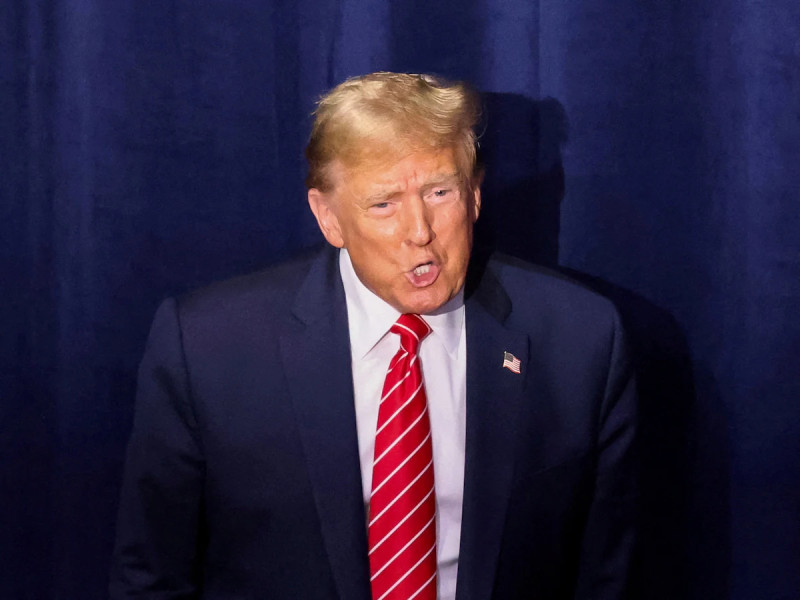
President Trump's administration marked a period of significant policy shifts towards Cuba, reinforcing the embargos and sanctions that had been in place for decades. Trump signed an executive order in 2017 that reinstated all sanctions against Cuba, effectively reversing some of the relaxed policies of his predecessor. This move was part of a broader strategy that included threats to disrupt Cuba's oil supply from Venezuela, reflecting a hard-line approach aimed at destabilizing the communist government.
The CIA's role in shaping U.S. policy towards Cuba has been pivotal, with intelligence reports highlighting the dire economic conditions on the island. These reports underscored the collapse of Cuba's energy sector, suggesting that a U.S. raid in Venezuela could precipitate an economic collapse in Cuba. This perspective was part of a broader strategy that viewed the destabilization of Cuba as a key to undermining communist influence in the region.
Historically, U.S. interventions in Latin America and the Caribbean have been rooted in the Monroe Doctrine of 1823, with the 20th century seeing a series of interventions aimed at protecting U.S. interests and countering communism. President Trump's pressure campaign against Venezuelan leader Nicolás Maduro is the latest chapter in this long history. The Trump administration's hard-line policies towards Cuba were not just about economic sanctions but also about leveraging Cuba's economic dependence on Venezuela as a point of pressure.
The Trump administration's approach to Cuba was characterized by a mix of threats and strategic maneuvers. The policy aimed to isolate Cuba economically and politically, with the ultimate goal of weakening the communist regime. This strategy included discussions on updating the decades-old embargo against Cuba, drawing parallels with the broad sanctions enacted during the first Trump administration against Venezuela. The goal was to create a comprehensive blockade that would cut off Cuba's economic lifelines, particularly its oil supply from Venezuela.
The implications of these policies are multifaceted. While the economic sanctions have had a significant impact on Cuba's economy, the broader geopolitical landscape remains complex. The Trump administration's policies towards Cuba are part of a larger U.S. strategy in Latin America, aimed at countering communist influence and protecting U.S. interests in the region. However, the effectiveness of these policies in achieving their stated goals remains a topic of debate. The continued defiance of Cuba's government, coupled with the economic resilience of the island, suggests that the road to regime change is fraught with challenges.
Trump administration's policies on Cuba have been a blend of continuity and innovation, rooted in a long history of U.S. intervention in the region. The CIA's intelligence reports and the strategic maneuvers aimed at destabilizing the Cuban economy reflect a complex interplay of geopolitical strategy and historical context. As the world continues to grapple with the implications of these policies, the narrative of U.S.-Cuba relations remains a dynamic and evolving story.