Inflation Holds Steady: 2026 CPI Report Unveils Moderate Price Growth
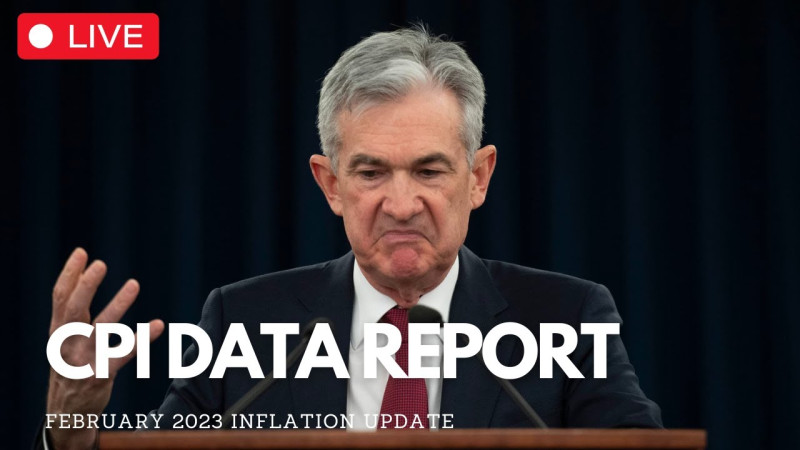
In the latest installment of the Consumer Price Index (CPI) report, the U.S. Bureau of Labor Statistics revealed that inflation, a critical measure of the cost of living, held steady at 2.7% in the month of December 2025. This report, released on January 14, 2026, comes as a nuanced reflection of the economic dynamics at play, particularly in the context of currency valuation and central bank policies. The CPI, which tracks the average changes in prices for a basket of consumer goods and services, is a pivotal economic indicator that influences monetary policies and financial markets.
The December 2025 report indicated that core inflation, excluding volatile food and energy prices, remained at 2.6% year-over-year. This continuity suggests a stable but notable increase in the cost of living, driven by a combination of rising food prices, which jumped 0.7%, and energy costs, which also increased by 0.3%. The relatively modest rise in the CPI, aligning with economist expectations, is a testament to the resilience of the U.S. economy in managing inflation. Central banks monitor these figures closely to ensure price stability, as rising prices often prompt rate adjustments to control inflation.
Economic analysts and policymakers scrutinize the CPI data for insights into broader economic trends, particularly how inflation impacts currency valuation and monetary policies. The latest figures indicate that while the overall economic landscape is stable, specific sectors continue to face inflationary pressures. For instance, the rise in food and energy prices underscores the ongoing challenges in maintaining price stability in essential goods. Economists point to the delicate balance between managing inflation and fostering economic growth, a task that requires constant vigilance and policy adjustments.
Focusing on the nuanced movements within the CPI data, December 2025 saw an increase from 324.80 points in September to 324.12 points, a slight dip that reflects the complex interplay of various economic factors. Despite this slight decrease, the year-over-year inflation rate of 2.7% suggests that while the rate of inflation is steady, it remains a significant factor in economic decision-making. This stability is particularly relevant for investors and traders who rely on economic indicators to guide their strategies in the forex market.
The December 2025 CPI report also highlighted the importance of accurate data collection and analysis. The Bureau of Labor Statistics continues to refine its methods to ensure that the CPI accurately reflects the true cost of living, taking into account the ever-evolving consumer behavior and economic conditions. As the U.S. economy navigates through 2026, the steady inflation rate, as highlighted in the latest CPI report, serves as a critical benchmark for policymakers and economists alike. The ongoing monitoring and analysis of the CPI will be essential in shaping future economic policies and strategies to maintain price stability and foster sustained economic growth.
How does this story make you feel?
 Up next · BusinessBitcoin's Continued Dominance in the Crypto Market