Understanding the Importance of Immunizations in 2026
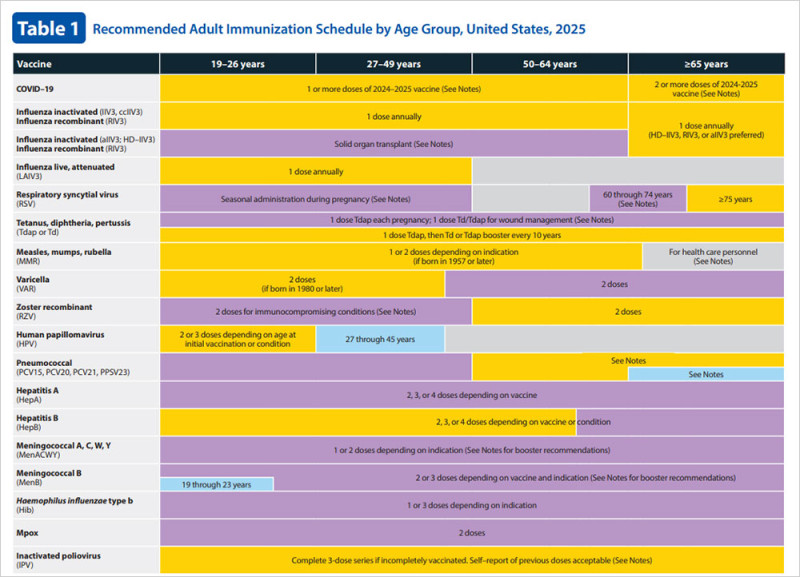
In the ever-evolving landscape of global health, immunizations remain a cornerstone of disease prevention and public health. As we step into 2026, the significance of vaccinations and vaccines cannot be overstated. These medical interventions have revolutionized the way we combat infectious diseases, saving countless lives and eradicating some of the deadliest illnesses.
Vaccines work by stimulating the body's immune system to recognize and fight off specific pathogens, such as viruses or bacteria. This process involves introducing a weakened or inactivated form of the pathogen, or a part of it, into the body. The immune system then produces antibodies to combat the introduced pathogen, preparing the body to defend against future infections.
The development and deployment of vaccines have been pivotal in controlling outbreaks and epidemics. For instance, the smallpox vaccine led to the eradication of smallpox, a disease that once claimed millions of lives annually. Similarly, the polio vaccine has significantly reduced the incidence of polio worldwide, bringing us closer to eradicating this debilitating disease.
In recent years, the COVID-19 pandemic has underscored the critical role of immunizations in global health security. The rapid development and distribution of COVID-19 vaccines have been a testament to the scientific community's ability to respond to emerging health threats. These vaccines have not only helped to control the spread of the virus but have also saved countless lives and mitigated the severe economic and social impacts of the pandemic.
Despite the undeniable benefits of vaccinations, there are still challenges to overcome. Vaccine hesitancy, fueled by misinformation and distrust, remains a significant barrier to achieving high vaccination rates. Addressing these concerns requires ongoing education, transparent communication, and public health initiatives that build trust in the safety and efficacy of vaccines.
Looking ahead, the future of immunizations holds promise with advancements in vaccine technology. Researchers are exploring new approaches, such as mRNA vaccines and nanotechnology, to develop more effective and versatile vaccines. These innovations could lead to faster and more targeted responses to emerging diseases, further enhancing our ability to protect global health.
In conclusion, immunizations continue to be a vital tool in the fight against infectious diseases. As we navigate the complexities of the 21st century, it is essential to prioritize vaccinations and support the ongoing development of new vaccines. By doing so, we can ensure a healthier and more resilient future for all.
How does this story make you feel?
 Up next · HealthThe Great Healthcare Plan: Trump's Bold Vision for Reform