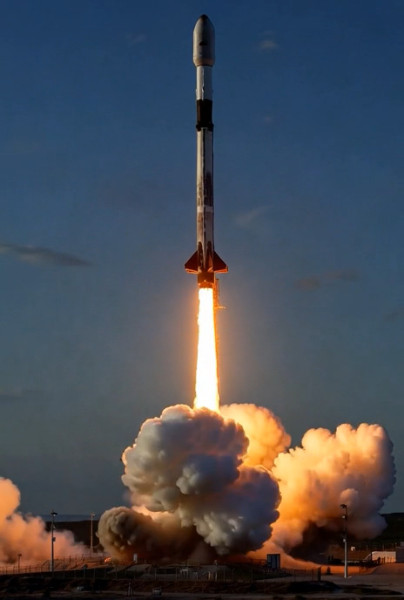
NASA Artemis II Launch Pad: A Historic Milestone in Space Exploration
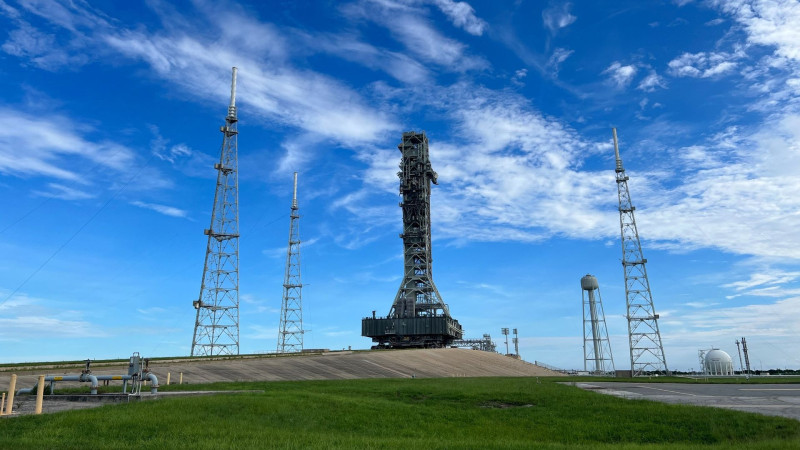
The NASA Artemis II launch pad stands as a testament to humanity's relentless pursuit of space exploration. On January 17, 2026, NASA's Space Launch System (SLS) rocket and Orion spacecraft were carefully secured to the mobile launcher inside the Vehicle Assembly Building at the Kennedy Space Center in Florida. This monumental event marked the beginning of the final preparations for the Artemis II mission, scheduled to launch four astronauts around the moon as early as February 6.
The Artemis II mission is not just another step in space exploration; it represents the most rigorous test yet for the SLS rocket and Orion spacecraft, which will carry a crew for the first time. This mission follows the successful uncrewed Artemis I mission and sets the stage for future lunar landings and beyond. The Artemis II crew, consisting of Commander Reid Wiseman, Pilot Victor Glover, and astronauts Christina Koch and Jeremy Hansen, will embark on a journey that will push the boundaries of human spaceflight.
With the SLS rocket and Orion spacecraft now securely positioned on the launch pad, NASA is entering the final phase of preparations. The rocket's journey from the Vehicle Assembly Building to Launch Pad 39B involved a meticulous rollout process, covering approximately 4 miles. This journey is a critical step in ensuring that all systems are functioning optimally before the launch. The rollout process itself is a logistical marvel, requiring precise coordination and execution to ensure the safety and integrity of the spacecraft.
The Artemis II mission is part of NASA's broader Artemis program, which aims to return humans to the moon and establish a sustainable presence there. This program is not just about revisiting the moon but about laying the groundwork for future missions to Mars and beyond. The success of Artemis II will be a pivotal moment in this grand endeavor, demonstrating the capabilities of the SLS rocket and Orion spacecraft in a crewed mission.
The Artemis II mission is a collaborative effort involving international partners, including the Canadian Space Agency. This collaboration underscores the global nature of space exploration and the shared commitment to advancing human knowledge and technology. The mission will not only test the technical aspects of the spacecraft but also the human factors involved in long-duration spaceflight.
The Artemis II launch pad at Kennedy Space Center is more than just a physical location; it is a symbol of humanity's ambition to explore the cosmos. As NASA and its partners prepare for the launch, the world watches with anticipation, knowing that this mission could redefine our understanding of space travel and inspire future generations to reach for the stars.
How does this story make you feel?
 Up next · TechTSA Introduces $45 Fee for Travelers Without REAL ID: What You Need to Know