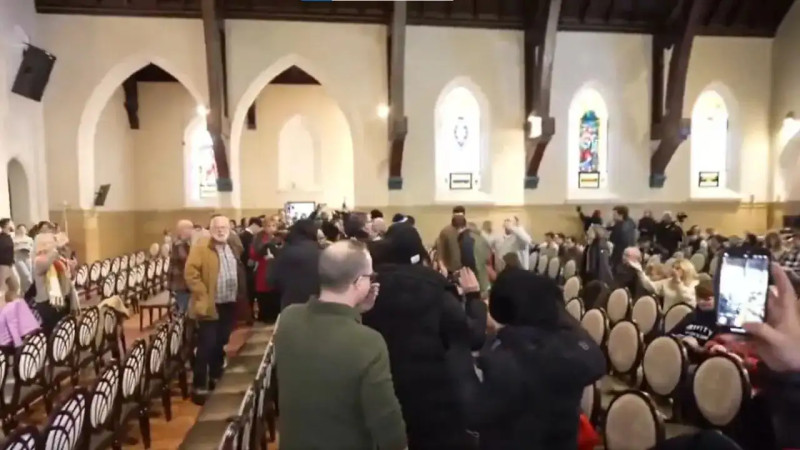
The FACE Act, or Freedom of Access to Clinic Entrances Act, has recently been thrust into the spotlight due to a controversial protest at Cities Church in Minneapolis, where anti-ICE demonstrators disrupted a Sunday service. The incident, which occurred on January 14, 2026, has sparked widespread debate and legal scrutiny, as the Department of Justice (DOJ) investigates potential violations of the federal law.
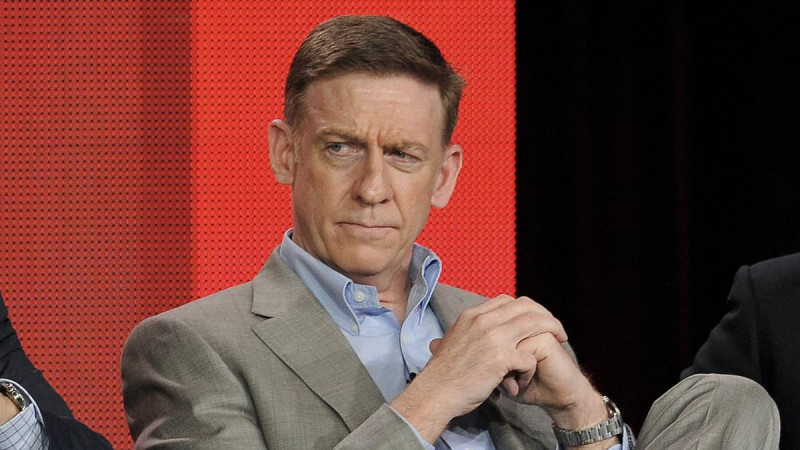
The protest at Cities Church took place during a routine Sunday service, when a group of anti-ICE protesters stormed the building, chanting slogans and disrupting the worship. The demonstrators specifically targeted the pastor, David Easterwood, alleging his affiliation with ICE, a claim that has since become the focal point of the controversy. This disruption has not only highlighted the tension between public protest and private religious practice but also brought attention to the FACE Act, a law primarily intended to protect reproductive health care services.
The FACE Act was enacted in 1994 to safeguard individuals seeking reproductive health services and those providing those services from threats, obstruction, and physical harm. The Act prohibits the use of force, threat of force, or physical obstruction to prevent individuals from obtaining reproductive health services or to intimidate or interfere with the provision of such services. The law imposes criminal penalties for violations, including fines and imprisonment.
The disruption at Cities Church has raised questions about the applicability of the FACE Act in this context. Critics argue that the Act was not designed to protect religious services and that its application in this case sets a dangerous precedent for limiting free speech and public demonstration. Proponents, however, contend that the Act should be interpreted broadly to protect all forms of peaceful assembly and worship from disruption, regardless of the underlying motivations.
The DOJ's investigation into the incident is ongoing, with federal authorities reviewing video footage and collecting statements from witnesses and participants. The outcome of this investigation will not only determine the legal ramifications for the protesters but also set a precedent for how the FACE Act is interpreted and enforced in the future. The tension between free speech, religious freedom, and public safety is a complex and nuanced issue, one that the DOJ must navigate carefully as it seeks to uphold the law while respecting the rights of all parties involved.