Honoring a Legacy: Understanding Martin Luther King Jr. Day
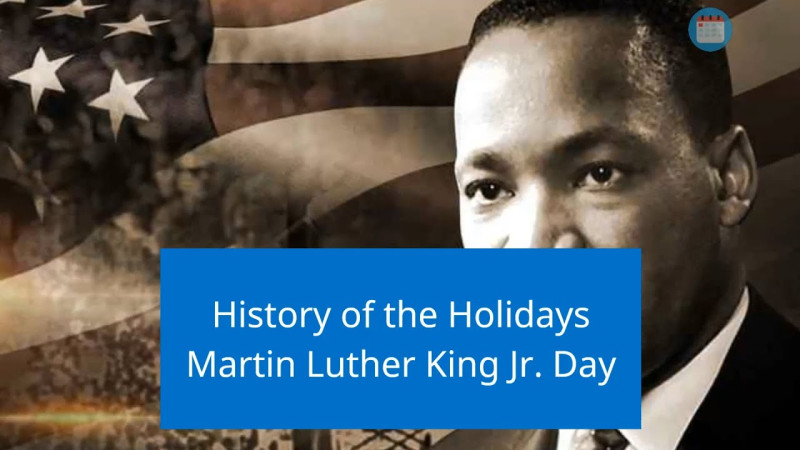
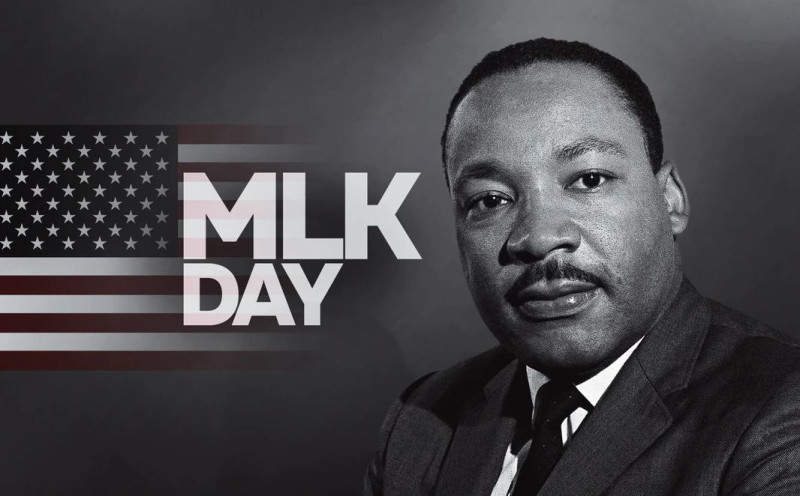
As we approach the third Monday of January 2026, the United States will once again observe Martin Luther King Jr. Day, a federal holiday that celebrates the life and legacy of one of America's most influential civil rights leaders. This year, the holiday falls on January 19, 2026, coinciding with the lead-up to the anniversary of Dr. King's birthday on January 15, 1929.
On this significant day, Americans honor the memory of Martin Luther King Jr., an iconic figure whose advocacy for nonviolent activism transformed the landscape of civil rights in the United States. Born in Atlanta, Georgia, on January 15, 1929, King's journey from a Baptist minister to a global civil rights icon is a testament to his unwavering dedication to justice and equality.
King's impact on the Civil Rights Movement is immeasurable. As the chief spokesperson for nonviolent activism, he led countless campaigns to challenge racial discrimination embedded in federal and state laws, as well as societal norms. His efforts culminated in pivotal moments such as the Montgomery Bus Boycott and the March on Washington, where he delivered his renowned "I Have a Dream" speech.
In 1983, President Ronald Reagan signed a bill establishing Martin Luther King Jr. Day as a federal holiday. However, it was not until 1986 that the first official celebration took place, marking a significant milestone in recognizing King's contributions to the nation's progress toward racial equality.
Since its inception, Martin Luther King Jr. Day has become a day of reflection, service, and education. Many communities host events that honor King's legacy, including parades, educational workshops, and volunteer activities. These efforts underscore the enduring relevance of King's vision for a more just and equitable society, encouraging citizens to continue the work he began.
How does this story make you feel?
 Up next · EntertainmentCelebrating the Legacy: When is Martin Luther King Jr. Day?