Russia faces snow apocalypse in Kamchatka with record snowfall
A record snowfall up to 500 cm in Kamchatka's capital has triggered a state of emergency, causing road closures, power outages, fatalities and widespread disruption.
Key points
- Snowfall of up to 500 cm hit Kamchatka Peninsula, prompting a state of emergency in Petropavlovsk‑Kamchatsky.
- At least two people died after snow slid off rooftops and buried them.
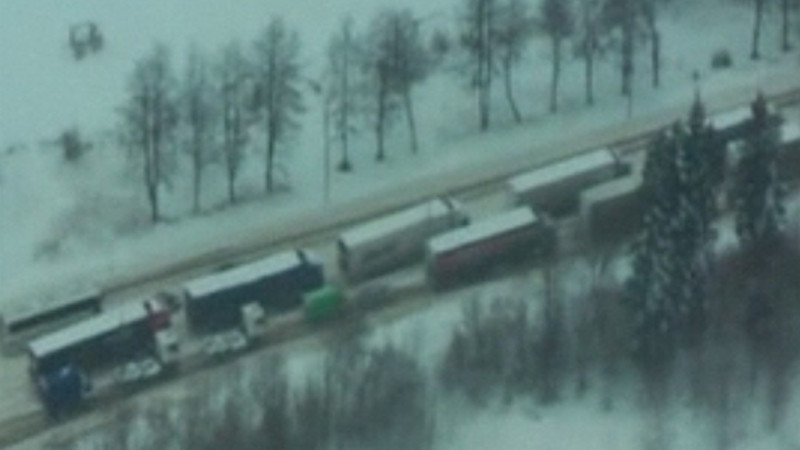
- Roads, flights, schools and businesses were closed, and power outages occurred.
- Rescuers are digging homes and clearing roads amid rugged terrain.
- Officials urge residents to stay indoors and avoid travel.
In the heart of winter 2026, Russia is grappling with a snow apocalypse that has brought unprecedented snowfall to the country's Far East, particularly the Kamchatka Peninsula. This harsh weather phenomenon has engulfed towns, blocked roads, and caused widespread disruption, challenging the resilience of the region's inhabitants.
The historic snowfall, which has seen depths of up to 500 cm (16 feet) in some areas, has led to a state of emergency being declared for Petropavlovsk-Kamchatsky, the regional capital. This snowstorm, which began on January 12, 2026, has not only paralyzed daily life but has also resulted in tragic fatalities. At least two people have died after being buried under snow that slid off rooftops, highlighting the grave dangers posed by the extreme weather.
The unprecedented snowfall has been described as a "snow apocalypse" by locals, with powerful cyclones born over the Sea of Okhotsk battering the region with relentless fury. The capital, Petropavlovsk-Kamchatsky, has been particularly hard-hit, with snow falling in blinding sheets. The accumulation has reached levels not seen in decades, causing widespread chaos and disruption.
In Petropavlovsk-Kamchatsky, the record snowfall has led to power outages, blocked roads, and cancelled flights, severely restricting mobility and access to essential services. The extreme conditions have also resulted in the closure of schools and businesses, further exacerbating the region's struggle to maintain normalcy.
Rescuers and emergency services have been working tirelessly to dig out homes and clear roads, but the sheer magnitude of the snowfall has made these efforts incredibly challenging. The situation has been compounded by the remote and rugged terrain of the Kamchatka Peninsula, which is known for its volcanoes and wilderness.
The local government and emergency services are working around the clock to respond to the crisis, with officials urging residents to stay indoors and avoid unnecessary travel. The focus now is on mitigating the impact on lives and infrastructure, as the region braces for potential aftershocks and lingering effects of the extreme weather.
The Russian government has been criticized by some for its handling of the disaster, with critics calling for more proactive measures to prepare for such extreme weather events in the future. The extent of the damage and the effectiveness of the response will undoubtedly be scrutinized in the coming weeks and months, as Russia continues to deal with the aftermath of this unprecedented snowfall season.
As the world watches and waits, the people of Kamchatka remain resilient, standing strong against the harsh conditions that have befallen their beloved peninsula. Despite the challenges, the community is determined to rebuild and recover, showcasing the indomitable spirit of the Russian people in the face of adversity.
Your questions, answered
When did the extreme snowfall begin in Kamchatka?
The snowstorm began on January 12, 2026.
How deep did the snow get in some areas of Kamchatka?
Snow depths reached up to 500 cm (16 feet) in some locations.
What actions have authorities taken in response?
A state of emergency was declared, and emergency services are working to dig out homes, clear roads and advise residents to stay indoors.
Quick poll
Should the Russian government increase preparedness for extreme winter weather?
0 votes
How does this story make you feel?
Topics
 Up next · WorldRockstar Games Faces Unexpected Challenge with Boiler Explosion