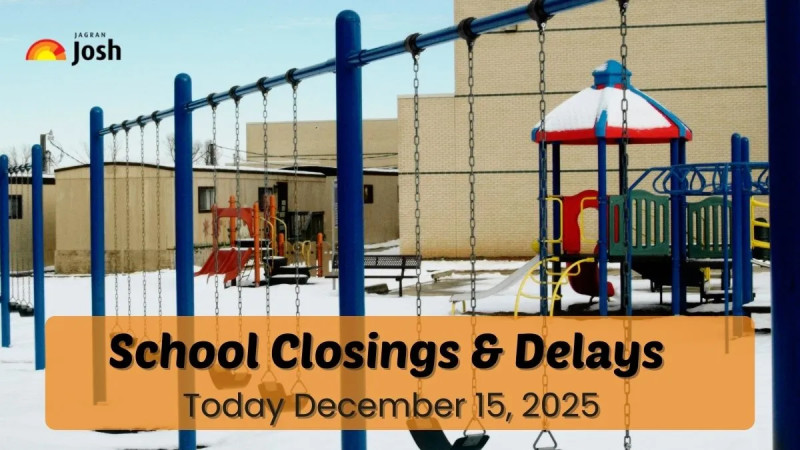
As a powerful nor'easter sweeps through the Eastern United States, hundreds of schools are grappling with the decision to close, delay, or switch to virtual learning. The impact of this storm is widespread, affecting states from New York to Massachusetts, with significant repercussions for students, parents, and educators alike. Today, February 24, 2026, is a day marked by uncertainty and adaptation as school districts navigate the challenges posed by school closings and delays.
As the nor'easter continues to impact the region, real-time updates are crucial for parents and students. School districts across the Eastern U.S. are utilizing various tools and platforms to provide timely information on school closings and delays. The National Weather Service (NWS) has played a pivotal role in issuing weather alerts, prompting many school districts to reconsider their operational plans for the day.
Massachusetts, in particular, has been significantly affected, with numerous districts, including Boston, Quincy, Fall River, and Waltham, canceling classes as the state recovers from a blizzard that dumped over two feet of snow. The decision to close schools in these areas is a proactive measure to ensure the safety of students and staff, given the treacherous road conditions and potential for hazardous travel.
In New York, the situation is equally challenging. New York City Mayor Zohran Mamdani announced that public schools will remain open for in-person learning despite the adverse weather conditions. However, this decision has sparked debate and concern among parents and educators. Meanwhile, Long Island, New Jersey, and areas north of New York City are facing school delays and closures, with many districts opting for remote learning as a safer alternative.
Connecticut and Pennsylvania are also experiencing the effects of the storm, with local news outlets providing continuous updates on school closings and delays. WTNH News 8 in Connecticut and WNEP in Northeastern and Central Pennsylvania are among the sources keeping families informed about the latest developments.
The Washington D.C. area, including Maryland and Virginia, is another region heavily impacted by the nor'easter. School districts in these areas have issued closures, delays, and early dismissals, reflecting the severity of the storm and its potential to disrupt daily routines.
For those seeking real-time updates, various online tools are available to check school closings and delays based on location. Entering a zip code or city name can provide instant status updates, helping parents and students stay informed about potential changes to their school schedules.
In conclusion, the nor'easter of February 24, 2026, has led to widespread school closings and delays across the Eastern U.S., underscoring the importance of preparedness and real-time information in managing such weather events. As communities adapt to these challenges, the focus remains on ensuring the safety and well-being of students and staff, while minimizing disruptions to education. For the latest updates, residents are encouraged to monitor local news sources and utilize available online tools to stay informed about school closings and delays in their areas.