Red Flag (Fire Weather) Warning: Miami and Surrounding Areas Brace for Critical Fire Conditions
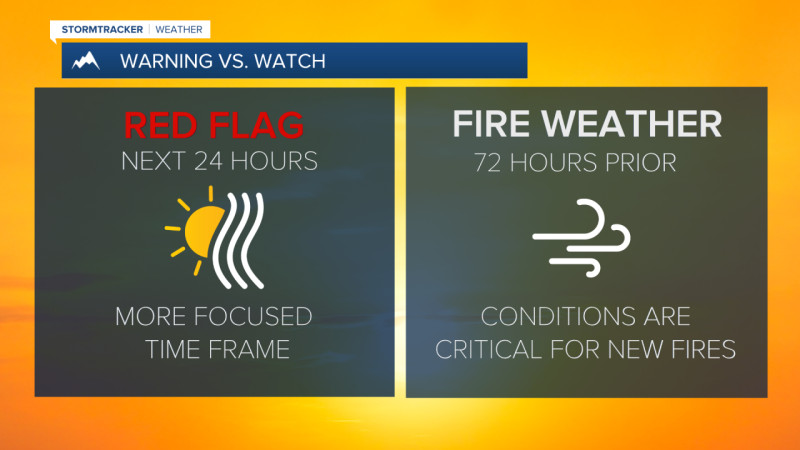
A red flag warning has been issued for Miami and surrounding areas, signaling a heightened risk of wildfires due to critical fire weather conditions. This warning, issued by the National Weather Service (NWS), is a call to action for residents and authorities to take necessary precautions to prevent and mitigate potential wildfire outbreaks.
On February 23, 2026, a red flag warning was put in effect for the entirety of South Florida, including Miami-Dade, Broward, and Palm Beach counties. This warning, which spans from 9 a.m. to 7 p.m. on Monday, is a direct response to the anticipated combination of strong winds, low relative humidity, and warm temperatures—all key factors contributing to the increased risk of rapidly spreading wildfires.
Residents in Miami and nearby regions are advised to be vigilant and adhere to safety measures. The warning covers a substantial area, including Collier, Monroe, Hendry, and Glades counties, and extends into Southwest Florida. This expansive coverage underscores the severity of the situation, as gusty winds and dry conditions can quickly escalate small fires into large, uncontrollable blazes.
The NWS Miami has upgraded the previously issued Fire Weather Watch to a red flag warning starting at 9 a.m. on Monday, February 23. This decision was prompted by the significant increase in the risk of wildfires due to the combination of dry conditions, low humidity, and gusty winds, which are all conducive to the rapid spread of fires.
The consequences of a red flag warning are far-reaching, affecting not only the immediate wildfire risk but also the broader public health and safety. Wildfires can cause significant property damage, endanger lives, and emit harmful smoke that can affect air quality over a wide area. For residents in affected regions, it is crucial to stay informed and follow the guidelines provided by local authorities to ensure safety.
In response to the red flag warning in South Florida, emergency services and wildfire management teams are on high alert. The NWS works in tandem with local fire departments and emergency management agencies to monitor conditions and respond swiftly to any emerging threats. Public awareness and proactive measures, such as avoiding activities that could spark fires, are essential in mitigating the risks associated with this warning.
How does this story make you feel?
 Up next · WorldDC Public Schools: Navigating Delays and Closures