Nuremberg: An In-depth Look into the Movie and Its Historical Significance
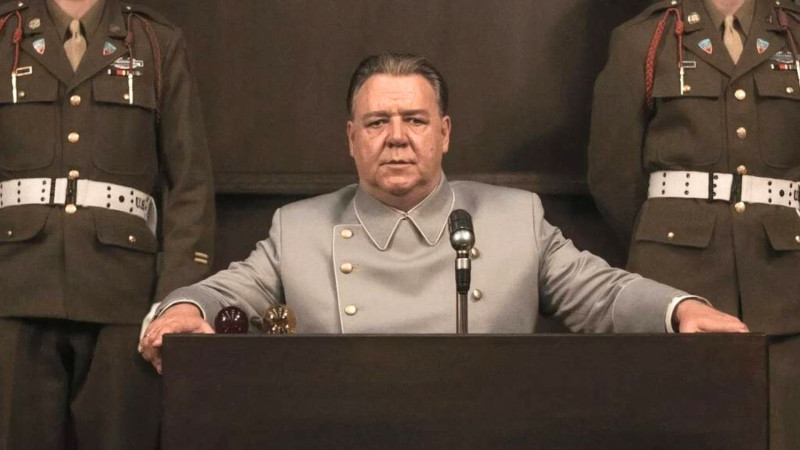
The Nuremberg movie, released in 2025, has swiftly become a cinematic sensation, captivating audiences worldwide with its profound exploration of historical events and psychological intricacies. Directed by James Vanderbilt, the film delves into the mind of Hermann Göring, one of the most notorious figures in Nazi Germany, as seen through the eyes of U.S. Army psychiatrist Douglas Kelley. This historical drama, adapted from the nonfiction book The Nazi and the Psychiatrist by Jack El-Hai, is a gripping blend of psychological thriller and historical drama.
Set against the backdrop of the Nuremberg Trials, which marked a pivotal moment in post-World War II history, the film stars powerhouse actors Rami Malek and Russell Crowe. Malek portrays Douglas Kelley, a psychiatrist tasked with evaluating the mental state of high-ranking Nazi officials. Crowe, known for his intense and captivating performances, brings to life the enigmatic and charismatic Hermann Göring, the second-most powerful man in the Third Reich.
The story follows Kelley as he grapples with the ethical dilemmas and psychological complexities of his assignment. The film's narrative weaves a compelling tale of a man navigating the moral landscape of post-war Germany, where the lines between good and evil are blurred. As Kelley delves deeper into Göring's psyche, he faces a profound existential crisis, questioning the nature of evil and the human condition.
One of the standout aspects of Nuremberg is its ability to prompt viewers to engage in deep introspection. The interactions between Malek and Crowe are particularly noteworthy, as their characters engage in a psychological battle of wits and ideologies. This dynamic not only adds depth to the narrative but also serves as a poignant exploration of the human capacity for cruelty and redemption.
Despite its historical accuracy, the film has sparked discussions about its portrayal of events and characters. Critics and historians have scrutinized the film for its adherence to historical facts, with some praising its authenticity while others pointing out certain liberties taken with the narrative. Regardless, the film's emotional impact and its contribution to the ongoing dialogue about the Nuremberg Trials are undeniable. The film is currently streaming on Netflix and is available for viewers to experience from the comfort of their homes.
The film's release coincides with the 80th anniversary of the Nuremberg Trials, making it a timely and poignant reminder of the atrocities committed during World War II and the importance of bringing perpetrators to justice. This historical milestone adds an extra layer of significance to the movie, making it a must-watch for history enthusiasts and cinema lovers alike.
How does this story make you feel?
 Up next · EntertainmentNoma Restaurant: Controversy and Innovation in the Culinary World