Celebrating International Women's Day 2026: A Day for Women's Rights and Equality
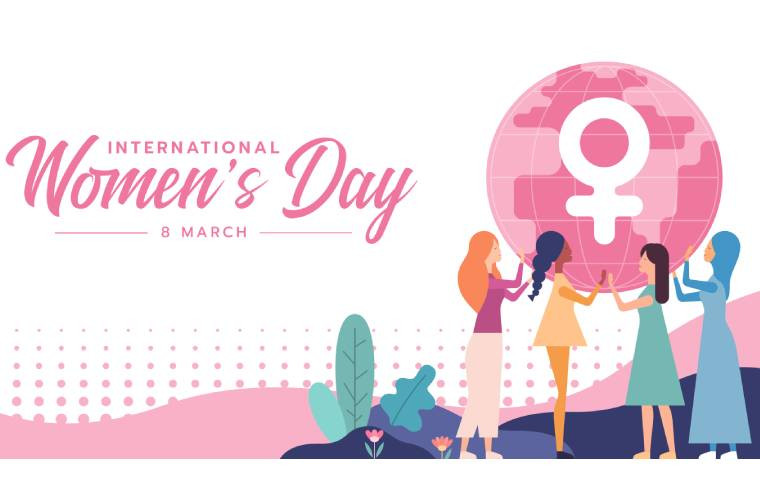
March 8, 2026, marks a significant day in the global calendar: International Women's Day. This annual observance is more than just a date on the calendar; it is a rallying call for gender equality and a celebration of the achievements and contributions of women worldwide. The theme for this year, "Rights. Justice. Action. For ALL Women and Girls," underscores the urgency to address systemic issues that continue to hinder women's progress.
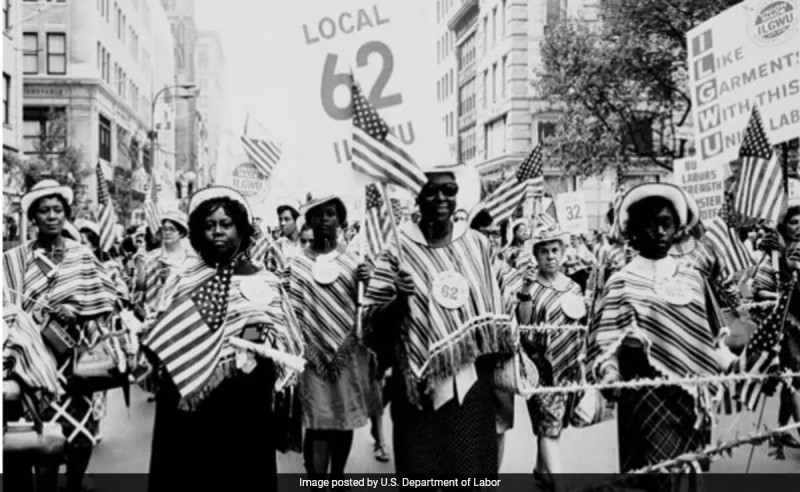
Since its inception, International Women's Day has been a pivotal moment in advocating for women's rights. The day was officially recognized by the United Nations in 1975, but its origins can be traced back to the early 20th century, particularly to the labor movement of 1908, when women garment workers marched in New York City demanding better working conditions, equal pay, and voting rights.
Over the years, International Women's Day has evolved into a global phenomenon, celebrated in various ways across different cultures. This year, as we celebrate, it is essential to reflect on the progress made and the challenges that persist. Despite significant strides in education and women's participation in the workforce, gender disparities remain. For instance, an 18-year global study highlighted that while nearly two-thirds of girls completed or were completing secondary school by age 18, the progress is fragile and can be easily disrupted by societal and economic factors.
The significance of International Women's Day in 2026 is underscored by the theme "Give To Gain," which emphasizes the importance of mutual support and collective progress. This theme encourages individuals and communities to rally together, sharing resources and opportunities to uplift women globally. It serves as a reminder that the fight for gender equality is a collective effort, requiring sustained action and advocacy from all sectors of society, including governments, non-profits, and private enterprises.
As we observe this day, it is also a time to acknowledge the broader context of Women's History Month, which spans the entire month of March. This month-long celebration provides an opportunity to delve deeper into the rich tapestry of women's contributions to history, culture, and society. By understanding the struggles and triumphs of women throughout history, we can better appreciate the ongoing fight for equality and the need for continued advocacy.
In conclusion, International Women's Day 2026 is more than just a celebration; it is a call to action. It is a reminder that while progress has been made, there is still much work to be done. By embracing the theme "Rights. Justice. Action. For ALL Women and Girls," we can rally together to create a more equitable world where every woman and girl can fully realize their potential. Happy Women's Day! Let us continue to advocate for gender equality, not just on this day, but every day.
How does this story make you feel?
 Up next · EntertainmentJennifer Runyon: A Look at the Iconic Actress's Legacy