CPI Inflation Report Reveals Steady Inflation Amid Geopolitical Uncertainties
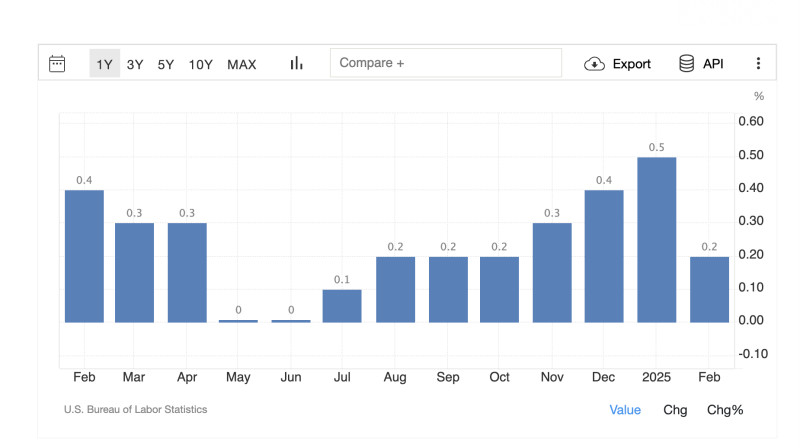
The latest CPI inflation report for February 2026 shows that the Consumer Price Index (CPI) has held steady at an annual rate of 2.4%, matching the previous month's figure and defying economists' expectations of a higher rate. This marks a period of relative stability in inflation, which has been a key concern for policymakers and consumers alike. The report, released by the Bureau of Labor Statistics, provides a comprehensive overview of the price changes across various sectors, giving a clear picture of the economic landscape.
The steady inflation rate is a result of a 0.3% monthly increase in the CPI, which translates to a 2.4% annual inflation rate. The core CPI, which excludes volatile items like food and energy, rose by 0.2% for the month and 2.5% annually, indicating that underlying inflation pressures remain relatively subdued. This consistent performance suggests that the economy is in a state of equilibrium, although geopolitical tensions, particularly the recent U.S. attack on Iran, could soon disrupt this stability by driving up oil prices and impacting consumer spending.
One of the critical aspects of the CPI report today is that it provides a snapshot of the economic conditions before significant geopolitical events, making it a valuable tool for analysts and policymakers. The data reflects the situation before the global oil shock, offering a baseline for future comparisons. The Federal Reserve will likely consider this data along with other inflation indicators when making its interest rate decision, which is expected to influence market sentiment and forex trading.
The Consumer Price Index, a measure of the average change over time in the prices paid by urban consumers for a market basket of consumer goods and services, is a crucial gauge of inflation. The index has shown a slight increase from 325.25 points in January to 326.79 points in February, indicating a gradual rise in prices. This data is crucial for understanding the broader economic trends and will be closely watched by investors, economists, and policymakers.
Looking ahead, the impact of rising oil prices due to geopolitical tensions remains a significant factor that could affect consumer spending and overall inflation. The CPI report highlights the delicate balance between stability and potential disruption, providing valuable insights into the economic resilience and the challenges that lie ahead. As we navigate through these uncertainties, the CPI data will continue to be a vital resource for making informed decisions and forecasting future economic trends, in conjunction with data sources like Forex Factory for real-time market information.
How does this story make you feel?
 Up next · BusinessGlobal Energy Markets Brace for Impact as IEA Unveils Historic Oil Release